
An acute injury rarely happens at a convenient moment. There is pain, swelling that builds within hours, and the unsettling question of what has actually been damaged. For many people, the hardest part comes next, because the common assumption is that seeing an orthopaedic specialist means weeks or months of waiting before anyone can tell them what is wrong.
This article sets out what the waiting time for an orthopaedic appointment typically looks like across the public and private pathways in Australia, and explains how a telehealth model changes the sequence of events. It then follows a common example, an ACL tear, from the moment of injury through to assessment, treatment discussion and recovery planning.
How Long Does It Usually Take to See an Orthopaedic Specialist?
The public system
In the public system, a GP referral is generally required before a specialist appointment can be booked. From that point, timing is determined by the clinical urgency category assigned and by the individual hospital's list. Depending on category and location, public orthopaedic waitlists can run from several weeks to many months. Presentations assessed as non-urgent, which includes many soft tissue injuries and degenerative conditions, tend to sit at the longer end of that range.
Private in-person appointments
Private in-person appointments operate on a different timeframe, though availability still depends on the individual surgeon's waiting list and on the region. One to four weeks or longer is common. For patients in regional and rural areas, the practical timeline is often longer again, because it includes travel and depends on whether a visiting specialist attends the area at all. Imaging adds a further step. An X-ray or MRI may need to be completed before a consultation is useful, or arranged afterwards, and each appointment adds to the wait.
The Same-Day Alternative: How AVA Orthopaedics' Telehealth Model Works
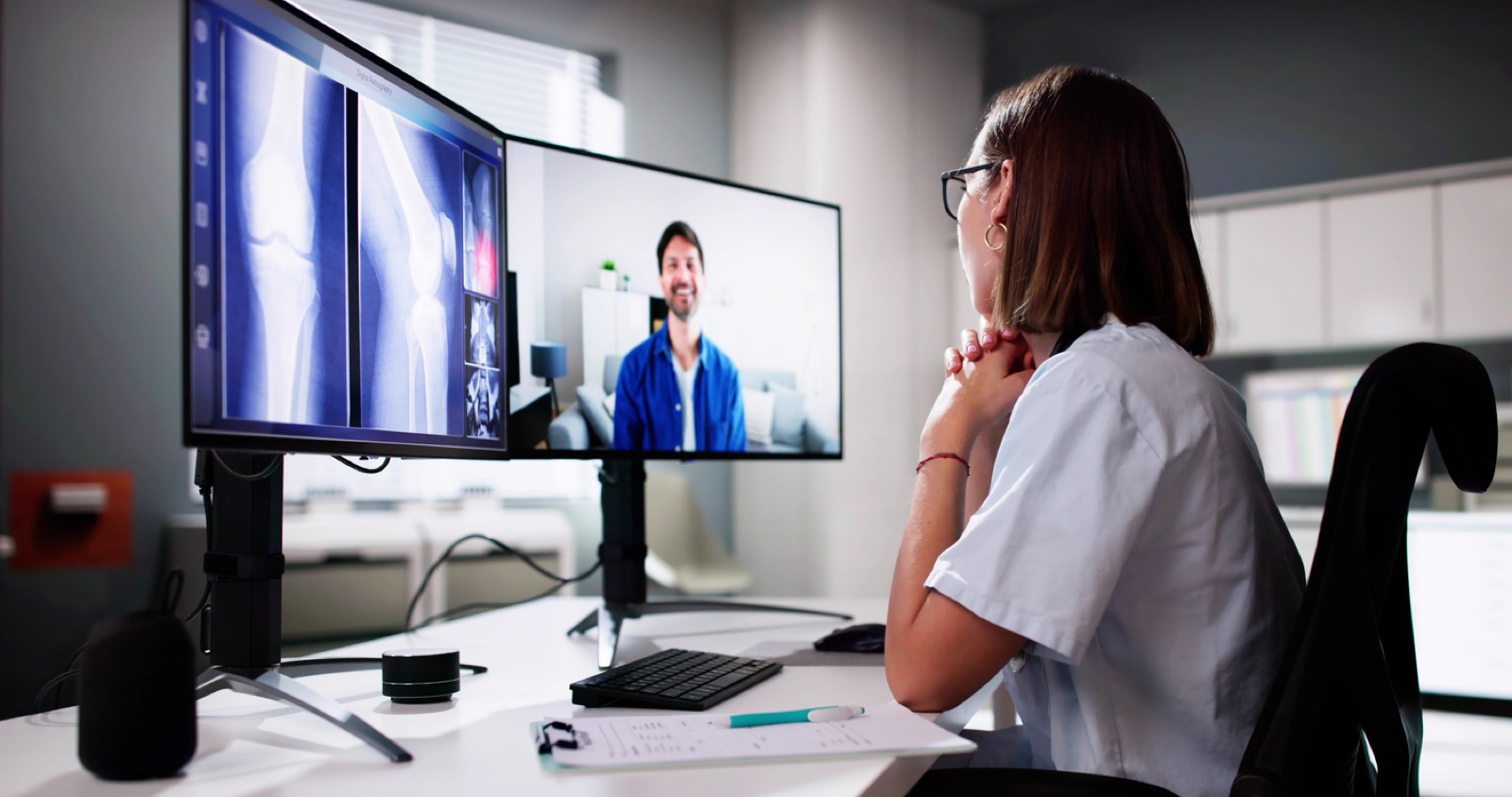
AVA Orthopaedics offers a telehealth-only orthopaedic service across Australia. Consultations are conducted by video with an orthopaedic specialist, and you can arrange an initial assessment without first waiting for a referral to be processed. Same-day and next-day appointments are often available, subject to the specialist's schedule on the day.
The consultation follows a clear structure. The specialist takes a detailed history of how the injury occurred, what was felt at the time, and what has changed since. Symptoms are discussed in detail, including swelling, stability and the ability to bear weight. Where movement is relevant, the patient is guided through specific movements on camera and demonstrates what the joint will and will not do, with the specialist directing and observing each step. The specialist reviews any existing scans during the same consultation.
The outcome is an assessment and a documented plan at a point when the injury is still recent. If further imaging is required, we request it during the consultation rather than after another period of waiting. If a hands-on examination is clinically indicated, we coordinate it through a local provider and review the findings at follow-up. Travel, local specialist availability and fixed appointment slots are removed from the equation, which matters most for patients who are a long way from a metropolitan centre.
Example: An ACL Tear From Injury to Recovery Plan

The injury
An ACL tear commonly follows a sudden twist, pivot or change of direction during sport. Many people describe hearing or feeling a pop at the moment of injury, followed by the knee giving way beneath them.
Immediate symptoms often include:
- Swelling that develops within the first few hours
- A sense that the knee is unstable or gives way under load
- Difficulty putting weight through the leg
- Reduced range of movement in the knee
Getting assessed quickly
A telehealth consultation allows the specialist to review the mechanism of injury and symptom pattern while the injury is still fresh. The specialist provides guidance on immediate care, including rest, ice, compression and elevation, and on what activity to avoid in the meantime. An MRI referral is issued during the consultation to confirm whether the ligament is partially or completely torn and to identify any associated damage to the meniscus or other structures.
Treatment pathway
Once imaging is available, the clinician discusses management options. Depending on the extent of the tear, the patient's activity level and their functional goals, this may involve ACL reconstruction or a rehabilitation-focused approach without surgery. Both pathways are explained, along with what each would involve, so the decision is made with a clear understanding of the alternatives.
Recovery
ACL tear recovery time varies considerably from person to person. It depends on the extent of the injury, whether reconstruction is undertaken, the structure of the rehabilitation program and how the individual responds to it. General timeframes published for ACL injuries describe staged rehabilitation followed by a gradual return to activity, but these are broad averages rather than a schedule. Expected recovery should be discussed directly with the treating surgeon and the treating physiotherapist, who can advise based on the specific injury and the imaging findings.
Why a Fast Orthopaedic Assessment Matters

Time matters for reasons beyond convenience. Some injuries can worsen if left unassessed, and an unstable joint that continues to be loaded may cause secondary problems in surrounding structures or on the opposite side of the body. An early diagnosis also supports clearer decision-making. The choice between surgical and conservative management is easier to make when the extent of the injury is known rather than assumed.
There is also a practical benefit. An undiagnosed injury creates uncertainty, and uncertainty is difficult to manage when a person does not know whether they should rest, move, or prepare for surgery. A confirmed diagnosis and a written plan replace guesswork with direction, and allow appropriate rehabilitation or pre-surgical preparation to begin at the right time.
Speak With an Orthopaedic Specialist
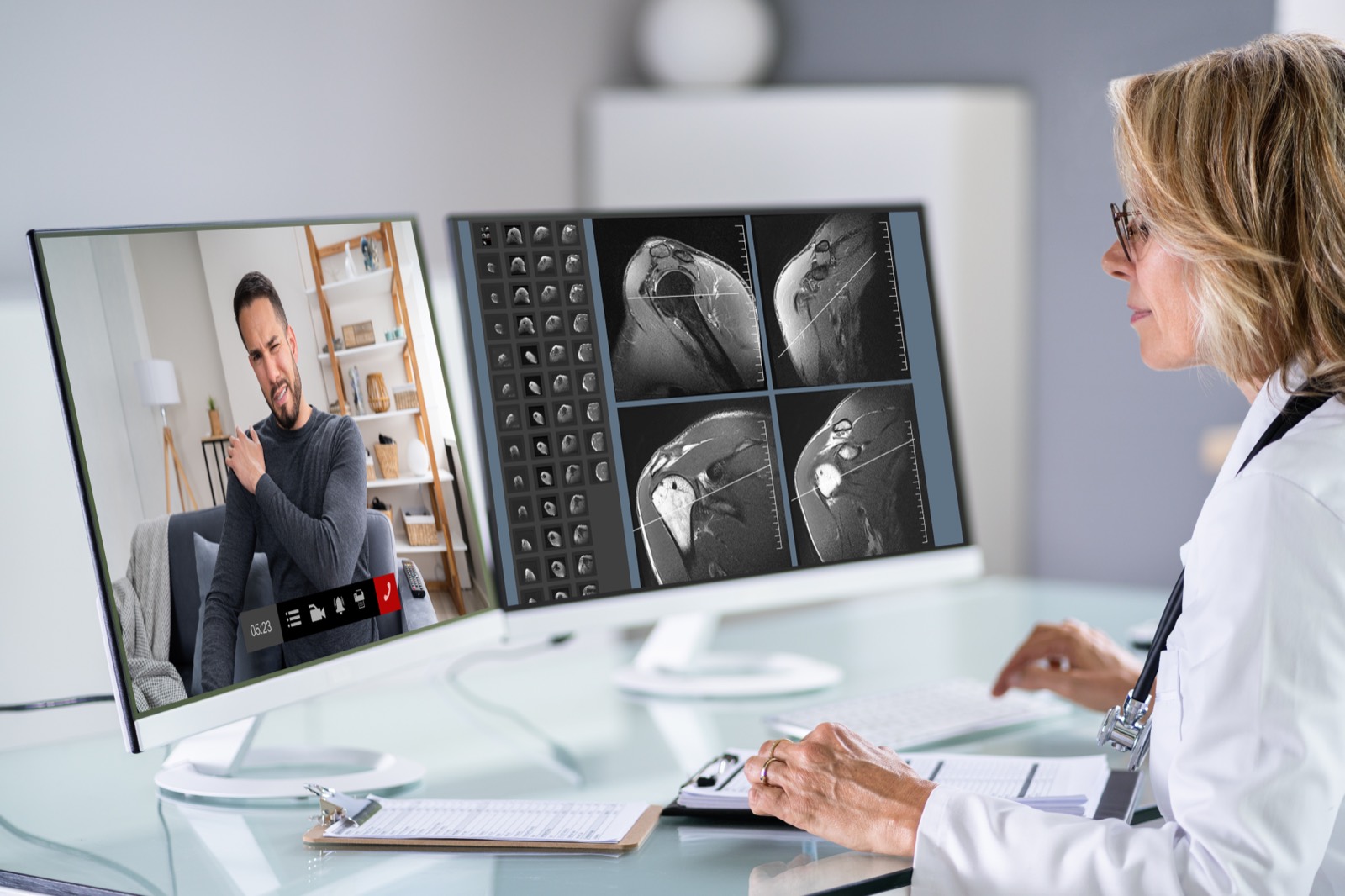
A long wait doesn't have to be the default after an orthopaedic injury. The AVA Orthopaedics telehealth model was built to bring assessment forward, wherever in Australia the patient happens to be, and to provide specialist advice and early direction at the point where it is most useful.
Contact AVA Orthopaedics to find out about same-day or next-day telehealth appointments.
Don't wait weeks for answers. Get assessed by an orthopaedic specialist as soon as today.
Specialist Advice. Early Direction.

.jpg)