For many Australians living outside a capital city, seeing an orthopaedic specialist involves far more than booking an appointment. It can mean a drive of several hours each way, a night in accommodation, a full day or more away from work, the farm or the family, and a period of waiting while the injury or condition continues unchanged. Search "orthopaedic specialist near me" from a regional town and the nearest result may still sit hundreds of kilometres down the highway.
That geography has shaped orthopaedic access in this country for a long time. It no longer needs to.
Real-time video consultation has changed what is possible for patients who do not live near a major hospital or specialist rooms. This article examines the access gap facing rural and regional patients, how an online model addresses it, and what a remote orthopaedic specialist appointment involves from first booking through to follow-up.
The Orthopaedic Access Gap Facing Rural and Regional Patients
Orthopaedic surgeons in Australia are concentrated in metropolitan centres. Rooms cluster around major hospitals, imaging providers, and operating theatres, where the infrastructure sits. For patients in capital cities, this is rarely a consideration. For everyone else, it is the first and largest obstacle.
The practical barriers stack quickly. Travel distances are long and often unavoidable by car, since public transport between regional towns and capital cities is limited or does not connect usefully with appointment times. A single consultation can consume two days once travel is counted. For self-employed patients, farmers and shift workers, those days carry a direct cost. Accommodation, fuel and meals add further expense before any clinical care has taken place. Patients with children, caring responsibilities, or limited mobility face logistics that can make the trip feel disproportionate to a single appointment.
The flow-on effect is clinical, not just logistical. When assessment is difficult to arrange, it tends to be postponed. Injuries that would benefit from early direction are managed at home or through repeat visits to a general practitioner, and conditions that might have been clarified with a specialist opinion continue without one. Delay affects some presentations more than others, but few orthopaedic problems improve for being left unexamined.
This is not limited to genuinely remote communities. Towns within a few hours of a capital city face the same fundamental issue, and for patients in the far west of Queensland, New South Wales or Western Australia, the distances involved are of a different order again. Regional orthopaedic care in Australia has been defined by proximity for as long as the model has required a room.
Why Location No Longer Matters: How Telehealth Is Helping Remote and Rural Patients Access Orthopaedic Care
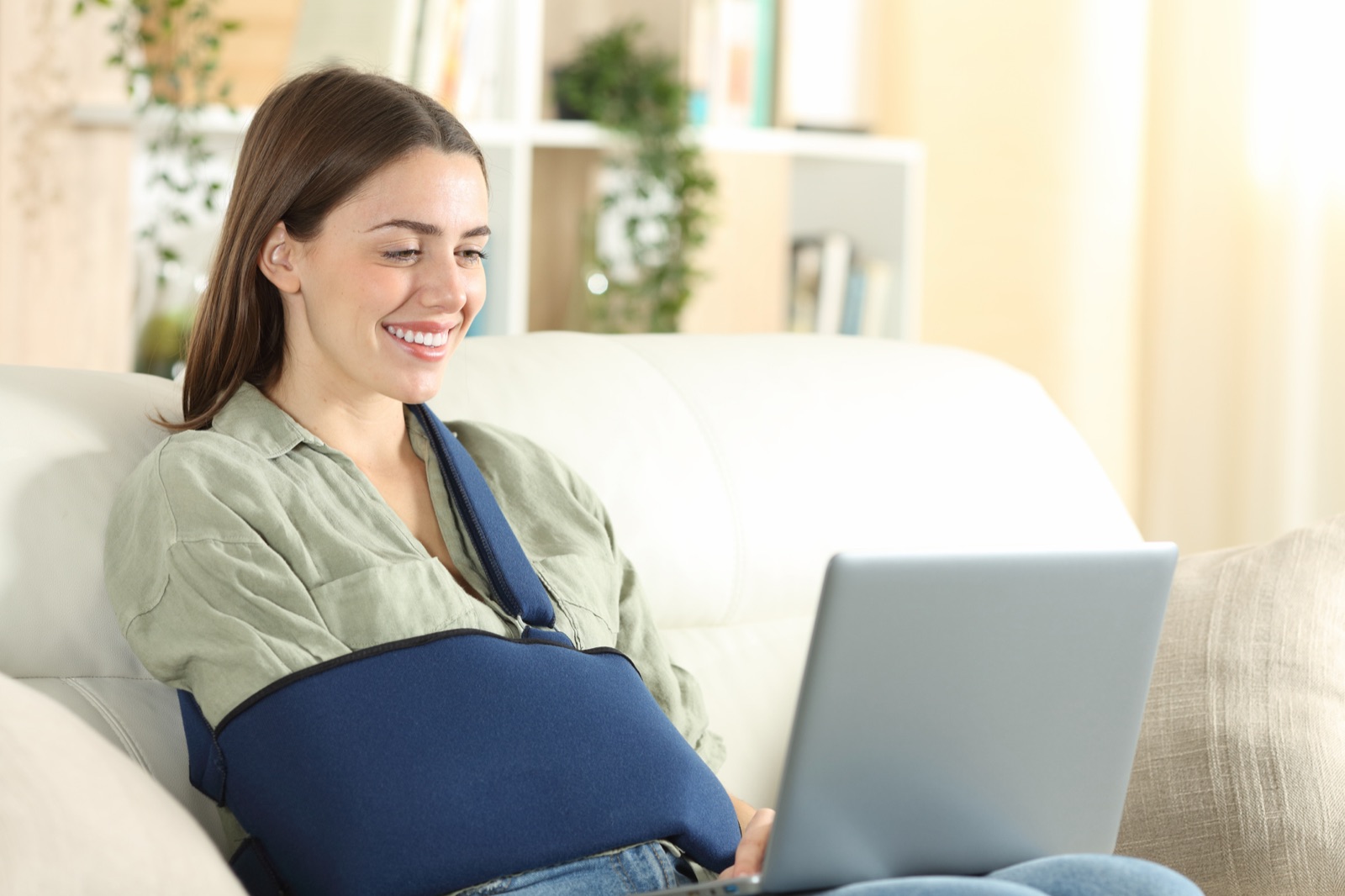
AVA Orthopaedics operates entirely by telehealth. An appointment is a scheduled, real-time video consultation with an orthopaedic specialist, conducted from wherever the patient happens to be.
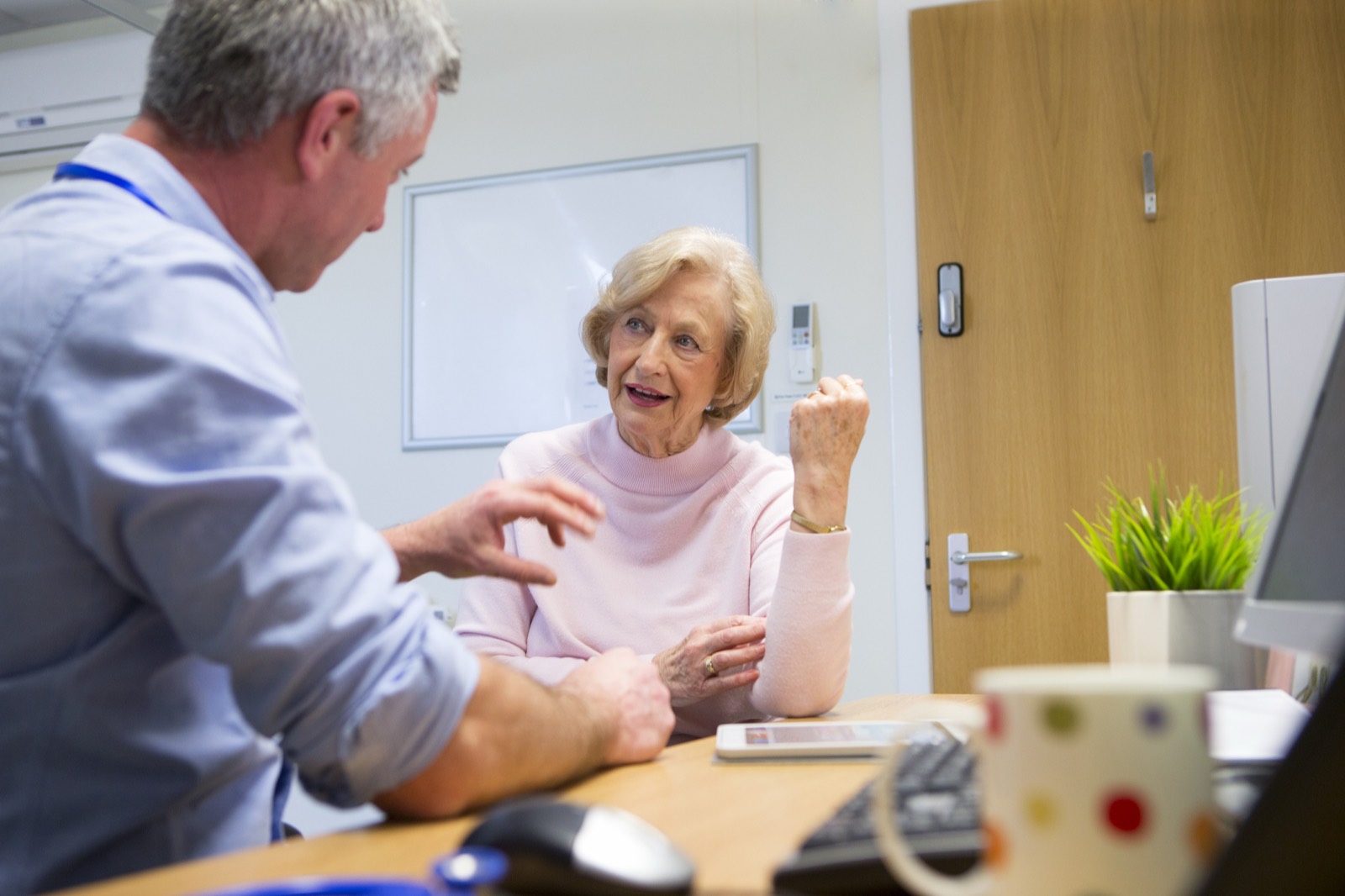
The assessment is history-based and imaging-based. During the consultation, the specialist takes a detailed account of how the injury occurred or how the condition developed, what movements or activities provoke symptoms, what has changed over time, and what treatment has already been tried. Existing X-rays, ultrasounds, CT and MRI scans, along with any radiology reports, are reviewed directly as part of that discussion. For many orthopaedic presentations, a clear history combined with current imaging provides a strong basis for specialist direction.
There is no physical examination in an online consultation, and it is important to be plain about that. AVA Orthopaedics does not perform hands-on testing, palpation or provocation manoeuvres. When physical examination is necessary to determine the diagnosis, the specialist arranges it through a local provider; when imaging is required, a referral is issued to an imaging service near the patient. The intent is for the patient to leave the consultation with a defined next step rather than an unanswered question.
Because the model does not depend on a room, patients in remote communities have access to the same consultation as patients in a capital city. Appointment times are confirmed at booking, and appointments are available to anyone in Australia.
What a Remote Orthopaedic Specialist Appointment Looks Like
Before the appointment
Booking is completed online. A referral is not required to book an initial assessment, although a valid referral is relevant to any Medicare rebate. Before the consultation, patients are asked to send through any existing scans, radiology reports, or letters of the injury. Having this material available beforehand means the consultation time is spent on discussion and direction rather than on collecting documents.
During the appointment
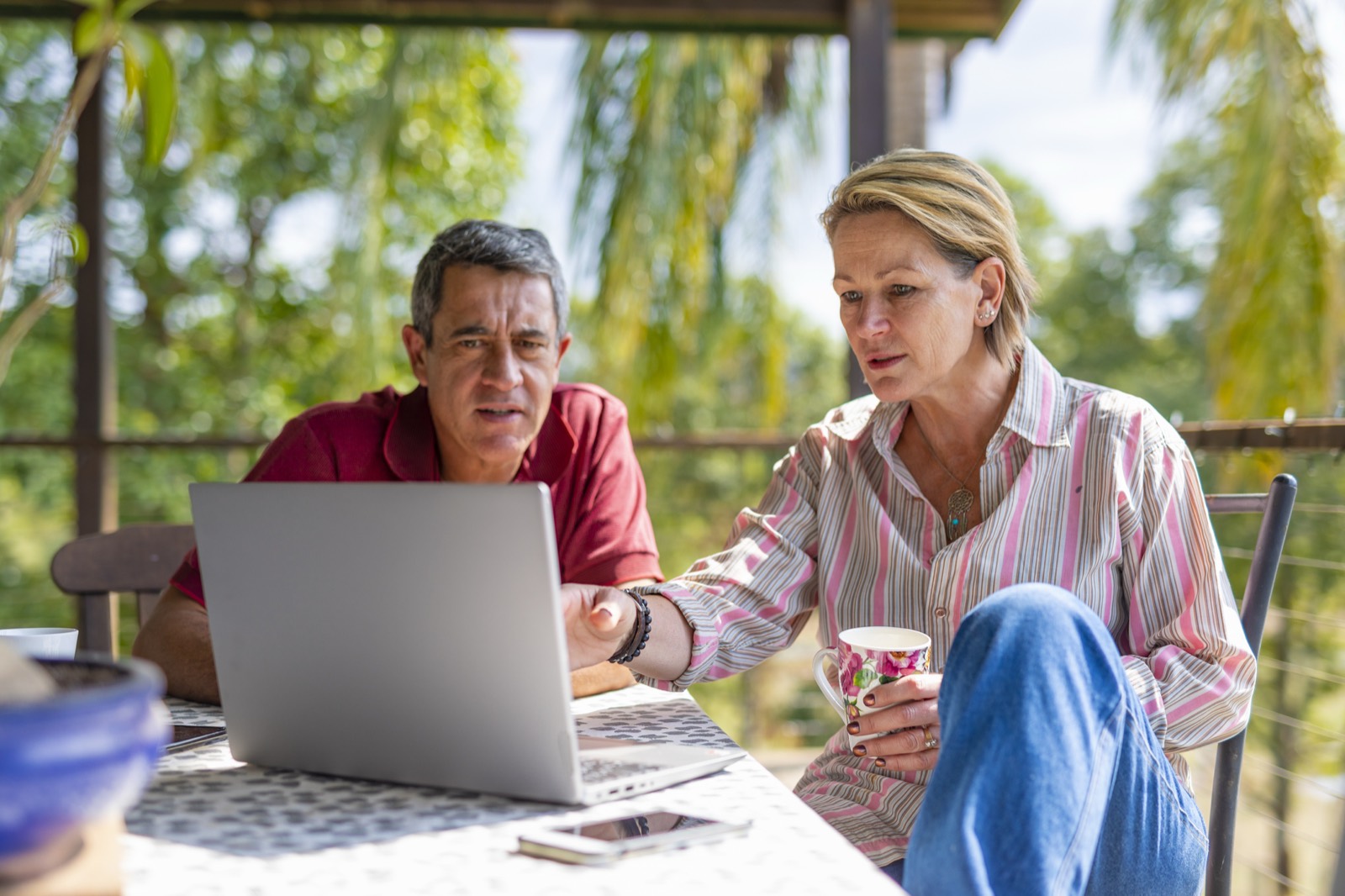
The consultation takes place by video from home, from work, or from wherever the patient can find a quiet connection. The specialist works through the history of the injury or condition, the pattern and behaviour of symptoms, the effect on daily activity and work, and any previous treatment. Existing imaging is reviewed and explained. Patients are encouraged to ask questions about what the scans show and what the findings mean for them.
After the appointment
The specialist provides a working assessment and a treatment plan appropriate to the information available. If further imaging is needed, the specialist issues a referral to a provider close to the patient. Where hands-on assessment or physiotherapy is indicated, the specialist coordinates this with local practitioners. If surgical management becomes relevant, the pathway and the timing are discussed openly, including what would need to happen locally and what would not. Follow-up consultations are conducted online, so reviewing progress does not require repeating the journey.
Case Study
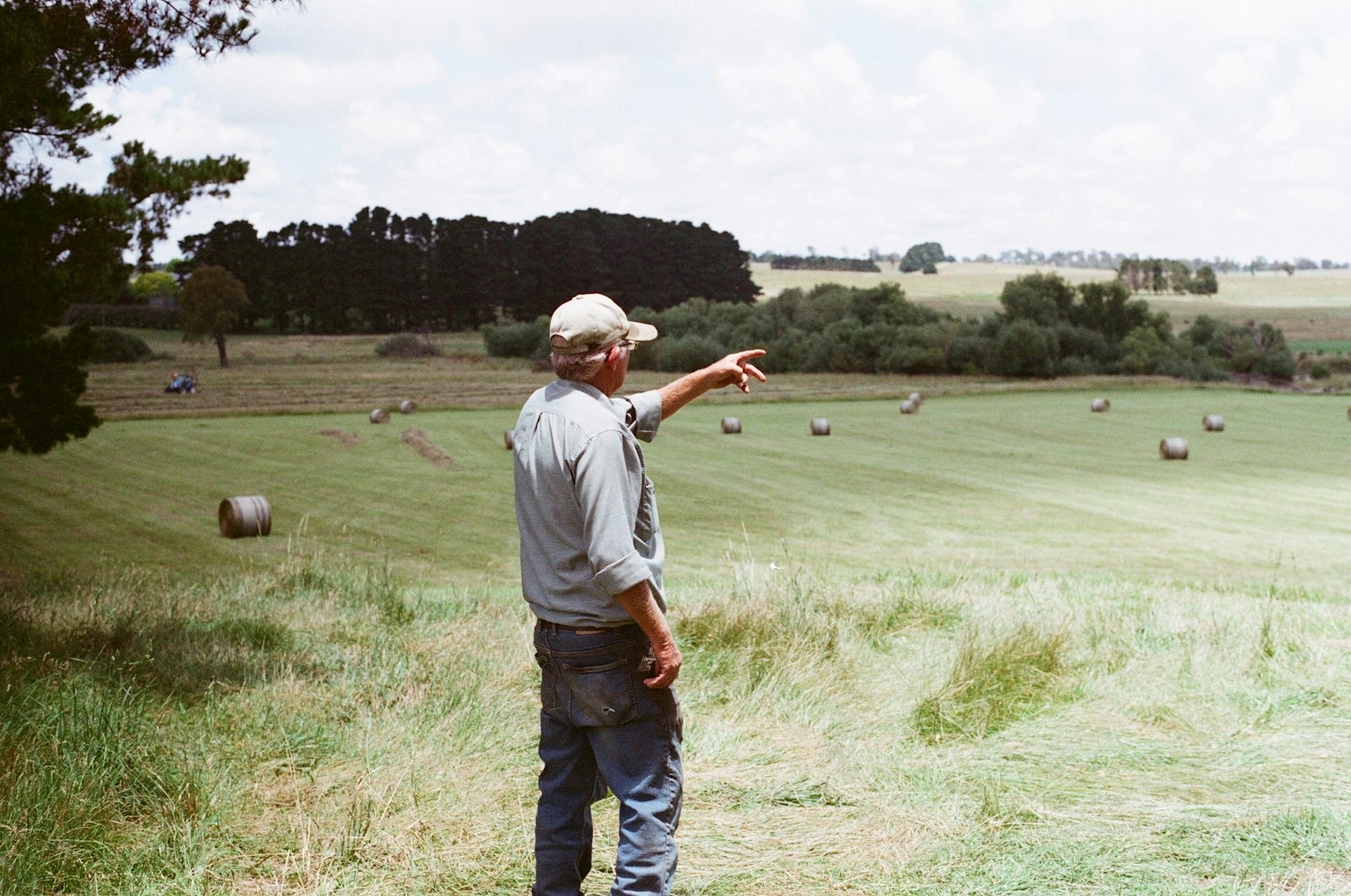
A 47-year-old grazier from rural New South Wales injured his shoulder lifting a gate panel. The pain settled over several weeks, but overhead movement remained restricted, and reaching behind his back became difficult. His general practitioner arranged a local ultrasound, which suggested a rotator cuff tear, and referred him for a specialist opinion. The nearest orthopaedic rooms were several hours away, and the appointment offered would have required two days away from the property during a period he could not easily leave.
He booked an online consultation with AVA Orthopaedics instead. During the consultation, the specialist worked through the mechanism of injury, the pattern of restriction, his working demands and what he had already tried, then reviewed the imaging with him on screen and explained the findings.
An MRI was recommended to clarify the extent of the tear. The referral was issued to an imaging provider in his regional centre, ninety minutes away, and a follow-up online consultation was scheduled to review the results. A local physiotherapy referral was arranged in parallel so that rehabilitation could begin without waiting.
He received specialist direction within days of booking, and the only travel involved was for the scan itself.
Note: Some details have been changed for patient privacy.
Who Benefits Most From an Orthopaedic Telehealth Model?

The model is most useful to patients for whom distance is the primary obstacle. That includes people living in rural towns and remote communities where no orthopaedic specialist practises locally, and where the nearest option involves a serious journey rather than a short drive.
It also suits patients whose work does not allow them to take time off easily. Farmers, tradespeople, contractors and shift workers often defer specialist assessment because they cannot spare the day, and an online consultation removes that reason for delay.
Patients seeking a second opinion also benefit, since obtaining another perspective would otherwise mean repeating the trip.
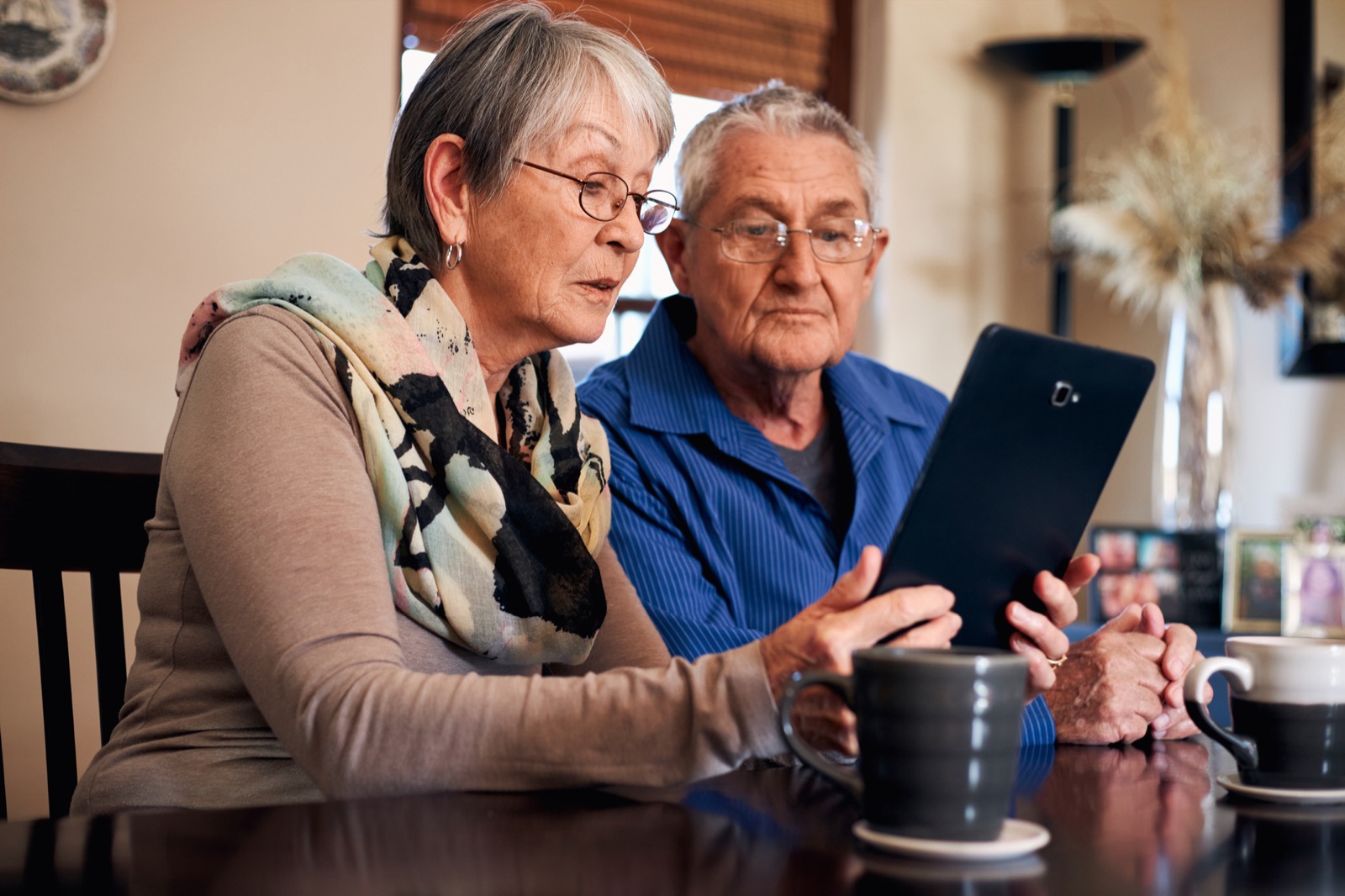
For older patients and those with mobility limitations, travel itself can be the hardest part of the process, and reducing it changes what is realistic.
Parents of children and teenagers with sporting injuries often want early guidance on whether a presentation needs specialist input at all, which an online consultation is well placed to answer.
Distance Is No Longer the Deciding Factor

Where a patient lives has long determined how quickly they can see an orthopaedic specialist in Australia. For rural, regional and remote patients, that has meant travelling, waiting, or going without. An online consultation model changes the equation, because the assessment no longer depends on the patient being in the room.
AVA Orthopaedics was built for exactly this situation: specialist advice and early direction for patients wherever they are, with local coordination where hands-on care is needed.
Appointments available to anyone in Australia. Contact AVA Orthopaedics for an appointment.
Book an online consultation with an orthopaedic specialist, from wherever you call home.
Specialist Advice. Early Direction.