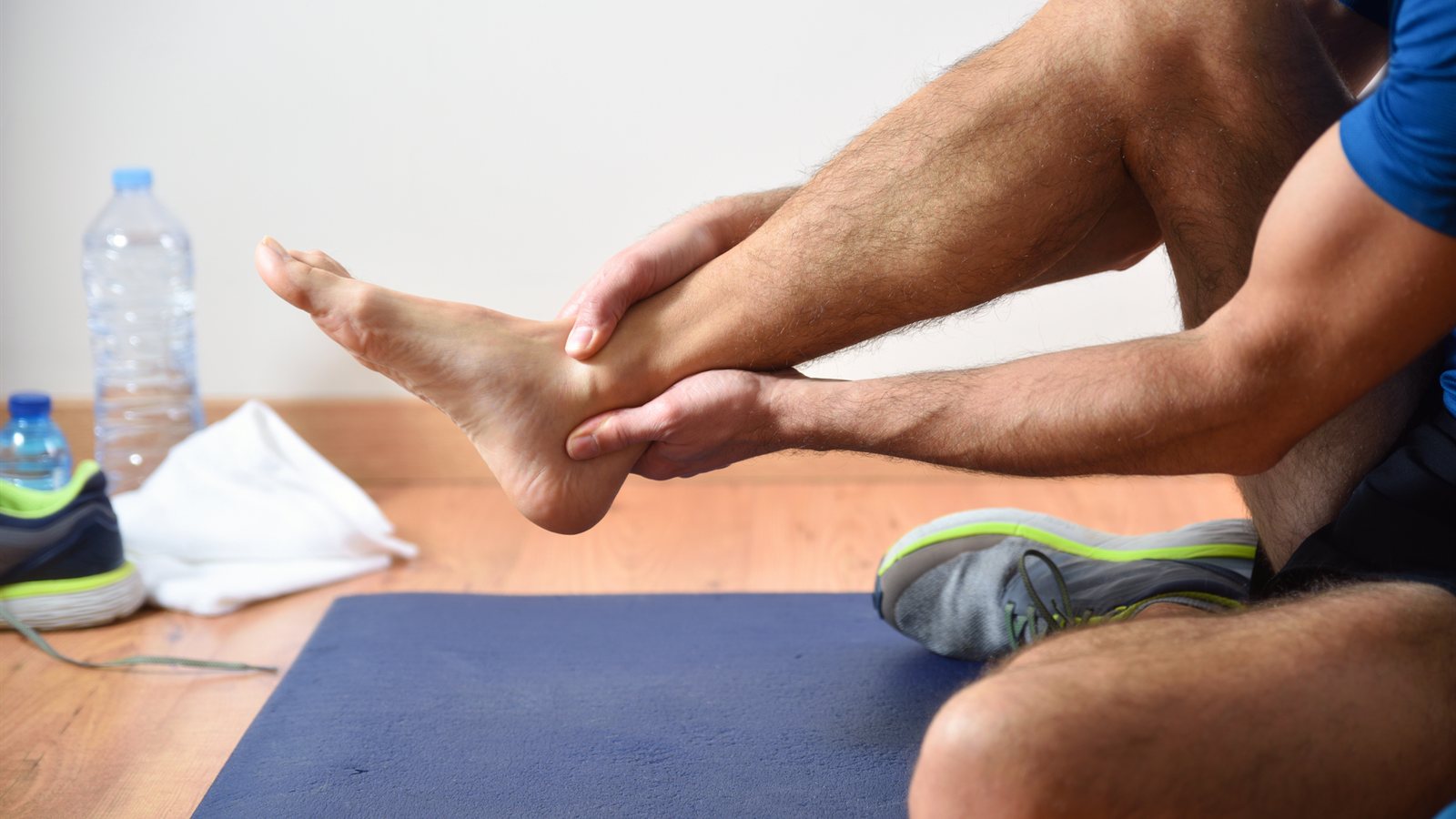

Stress fractures are one of the most commonly missed injuries in active people. They develop gradually, often masquerading as muscle soreness or a sprain, and can be easy to dismiss until the pain becomes impossible to ignore. The trouble is that by the time many people seek help, they are unsure whether their injury is serious enough to warrant imaging, or what type of imaging is even appropriate. Getting timely input from a stress fracture specialist can make the difference between a straightforward recovery and a prolonged one. This article explains what stress fractures are, how they are diagnosed, why imaging matters, and what a specialist assessment looks like.
What Is a Stress Fracture?
A stress fracture is a small crack or an area of significant bone bruising that develops from repetitive forces over time, rather than from a single traumatic event.
This is different to a traumatic fracture, which results from a single high-force event such as a fall or collision. A stress fracture instead builds gradually, as repeated loading outpaces the bone's ability to repair itself.
Patients often ask whether a stress fracture is the same as a hairline fracture. In most cases, the terms describe the same injury: a fine fracture line that may not be obvious on initial imaging. If you have been searching for hairline fracture treatment, the guidance in this article may also apply to you, depending on how your injury occurred.
The bones most commonly affected include the foot, shin, heel, and lower leg, and stress fracture foot treatment is a particularly common search term, reflecting how often these bones are involved.
Stress fractures are particularly common in athletes, military recruits, and people returning to exercise after a break, as these groups often increase training load faster than their bones can adapt.
What Are the Symptoms of a Stress Fracture?
If you are dealing with persistent, unexplained pain after activity, you are not alone, and the symptoms below may help you recognise what is going on. Common features include:
- Pain that develops gradually and worsens with activity, easing with rest
- Localised tenderness to touch at a specific spot on the bone
- Swelling or mild bruising in some cases
- Pain that progressively worsens if the activity continues without treatment
Because these symptoms can closely resemble muscle soreness or a minor sprain, many stress fractures go undiagnosed in their early stages, which is part of why specialist input early on is so valuable.
Do I Need an X-ray After an Injury?
This is one of the most common questions patients ask, and the honest answer is that an X-ray alone is often not enough. Stress fractures are frequently invisible on plain X-ray, particularly in the first few weeks after symptoms begin, which is part of why these injuries are so often missed or delayed in diagnosis.
MRI is considered the gold standard for detecting stress fractures, as it is far more sensitive than X-ray and can identify bone stress reactions before a visible fracture line develops. Our specialist team will help determine if this is required.
CT scans can also be useful in certain presentations, particularly when an MRI is unavailable or when a more detailed assessment of bone architecture is needed.
Rather than guessing which scan you need, a specialist can assess your clinical history and symptoms to determine whether imaging is required and, if so, which type and how urgently.
Waiting and hoping the pain will resolve on its own carries real risk. Continuing to load an undiagnosed stress fracture can worsen the injury and extend recovery time, which is exactly where timely access to a stress fracture specialist makes a practical difference.
How Is a Stress Fracture Diagnosed?
Diagnosis usually follows a clear process. It begins with a detailed clinical history, including when the pain started, what activity preceded it, and how it has changed over time.
This is followed by a visual examination of the affected area and understanding pain response and movement restrictions.
Imaging may then start with X-ray and progress to MRI when the diagnosis is uncertain.
Importantly, a stress fracture specialist does not simply review imaging in isolation. Scan results are always interpreted in the context of the broader clinical picture, including your symptoms, activity levels, and history of injury.
Once a diagnosis is confirmed, a management plan typically includes activity modification, structured load management, and referral for further treatment if required.
Stress Fracture Foot Treatment: What Does Recovery Involve?
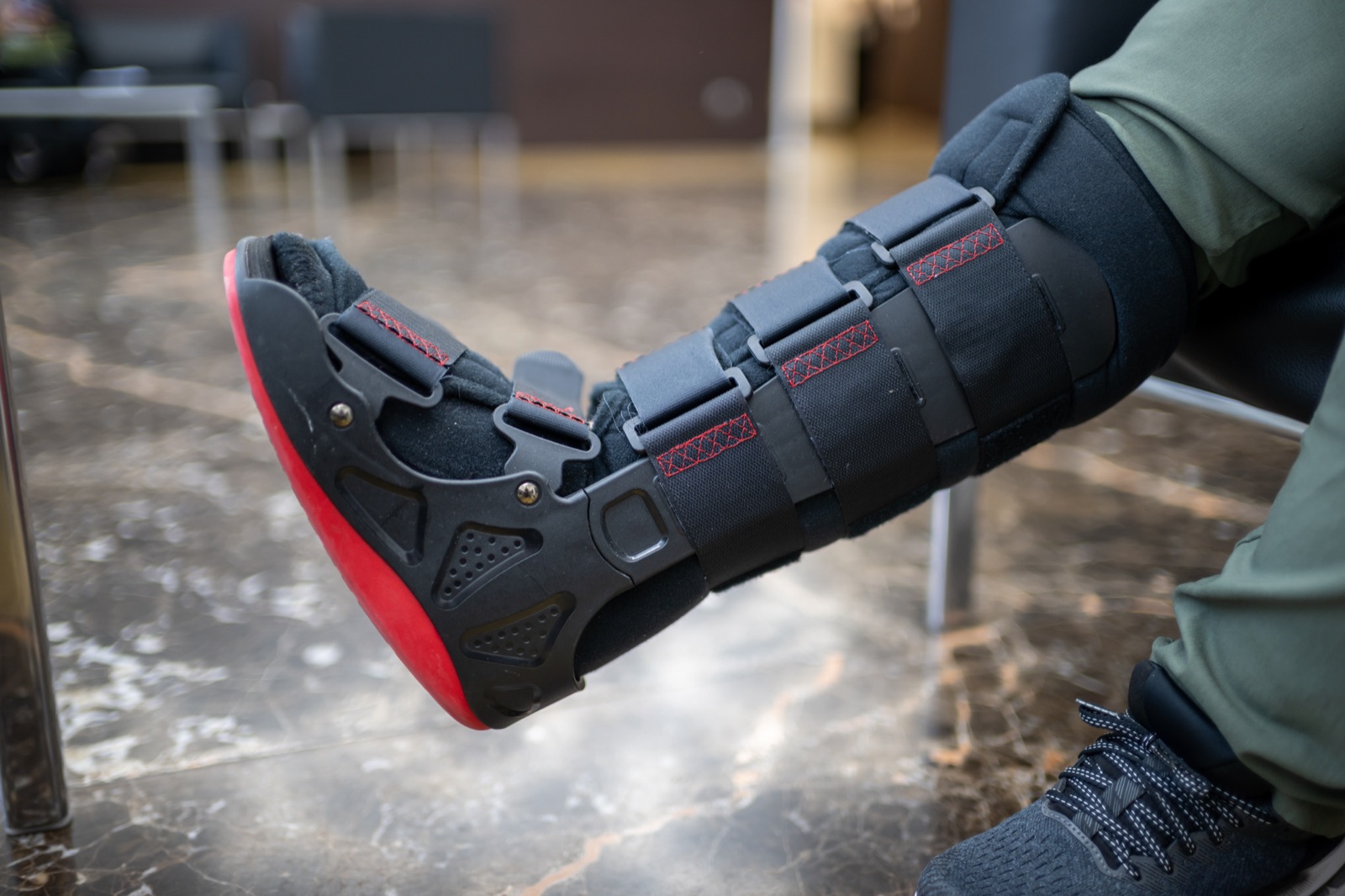
Foot and lower limb stress fractures are among the most common presentations, with the metatarsal and navicular bones frequently affected.
Treatment generally focuses on reducing the load on the affected bone to allow it to heal under appropriate conditions. Depending on the bone involved and the severity of the injury, management may include a walking boot, crutches, or targeted physiotherapy.
Some higher-risk stress fractures, such as those affecting the navicular or fifth metatarsal, may require surgical consideration due to a higher risk of delayed healing or non-union. A specialist assessment helps identify early whether this pathway is needed.
Return to sport and activity is guided by clinical review, re-imaging where appropriate, and a structured return-to-load plan rather than a fixed timeframe.
As a general rule, the earlier a stress fracture is diagnosed, the more straightforward its management tends to be.
Many patients ask the question: Do stress fractures need surgery?
Most stress fractures heal without surgery. Treatment typically focuses on reducing the load on the affected bone and allowing it to heal naturally, often with a period of activity modification, a walking boot, crutches, or targeted physiotherapy, depending on the bone involved and the severity of the injury.
Surgery is only needed in a very small number of cases, where there's a greater chance of delayed healing or non-union, or where the fracture hasn't responded to non-surgical management. A specialist assessment helps identify early on whether this pathway is likely to be needed, so you're not left guessing.
AVA Orthopaedics Telehealth Sports Injury Clinic
Stress fractures are a common presentation at AVA Orthopaedics' Telehealth Sports Injury Clinic, which is designed for athletes and active people across Australia.
The clinic offers online video consultations with an orthopaedic specialist, same-day or next-day appointments, prompt arrangement of MRI and other imaging referrals, a clear return-to-sport plan, Medicare rebates where eligible, and no GP referral required.
For anyone who has sustained a musculoskeletal injury through sport or physical activity, the clinic offers a practical first step toward specialist direction, without delay or the need to travel. Commonly assessed presentations include stress fractures of the foot, shin, and lower limb.
Getting Assessed with AVA Orthopaedics

Getting assessed is simple. Call now or send an online enquiry, and a rapid appointment will be arranged.
You will be sent a one-click link to join your telehealth appointment, so you can connect from home or wherever suits you. Loved ones are welcome to join the consultation too, for extra support if you would like it.
If imaging is needed, a referral will be arranged so it can be done locally. A follow-up appointment is then scheduled to review the results and put a clear management plan in place.
Seeing a specialist at AVA Orthopaedics is just like visiting a specialist in their rooms, except you don't need to leave home, travel or park, and appointments are available rapidly. The specialists at AVA Orthopaedics can share their screen to show you your images and explain the diagnosis.
Stress fractures are often missed without the right assessment and imaging, but early specialist input makes a real difference to outcomes. Australians can now access a stress fracture specialist online, with no GP referral required and same-day or next-day availability.
Suspect a stress fracture? Book an online assessment with AVA Orthopaedics today.