

What Is Tennis Elbow?
Tennis elbow is one of the more misleadingly named conditions in orthopaedics. The majority of people who develop it have never picked up a racquet. Its clinical name, lateral epicondylitis, describes the problem more accurately: irritation and micro-tearing of the tendons that anchor the forearm extensor muscles to the bony bump on the outside of the elbow, called the lateral epicondyle.
Those tendons do a great deal of quiet work. Every time you grip, twist, lift or extend the wrist, they take load. When that load is repeated often enough without adequate recovery, the tendon tissue begins to break down at the point where it attaches to the bone. The result is pain on the outer elbow that tends to build slowly rather than arrive all at once.
The name creates a practical problem. Because it implies a sporting cause, many people who have never played tennis assume the diagnosis cannot apply to them. They put the ache down to a long week at the keyboard or a heavy stretch on the tools, and they wait. Symptoms that might have settled with early activity modification are instead carried for months, and the tendon continues to be loaded through the very movements that provoked it.
This guide covers what tennis elbow feels like, what actually causes it, how it is diagnosed, the treatment options available, and what recovery usually involves.
Tennis Elbow Symptoms
Tennis elbow symptoms usually begin as something minor and become harder to ignore over weeks or months. The most common are:
- Pain or a burning sensation on the outside of the elbow, sometimes radiating into the forearm, and often tender to touch directly over the bony point
- Pain that worsens with gripping, twisting or lifting, which makes ordinary daily actions the clearest indicator: shaking hands, turning a doorknob, holding a full mug of coffee, wringing out a cloth or lifting a shopping bag
- Weak grip strength, which some people notice before they register the pain itself, describing objects slipping from the hand or a jar lid they can no longer open
- Stiffness in the elbow, typically at its worst first thing in the morning and easing somewhat once the arm has been used
- Symptoms that build gradually over weeks rather than following a single identifiable injury
The pattern of onset matters. Because there is no moment to point back to, no swelling or bruising and no dramatic event, tennis elbow presents as general soreness, and general soreness is easy to work through. Recognising the pattern earlier, particularly the combination of outer elbow pain with grip-related weakness, allows the condition to be treated as what it is: a specific and treatable tendon problem.
What Causes Tennis Elbow?
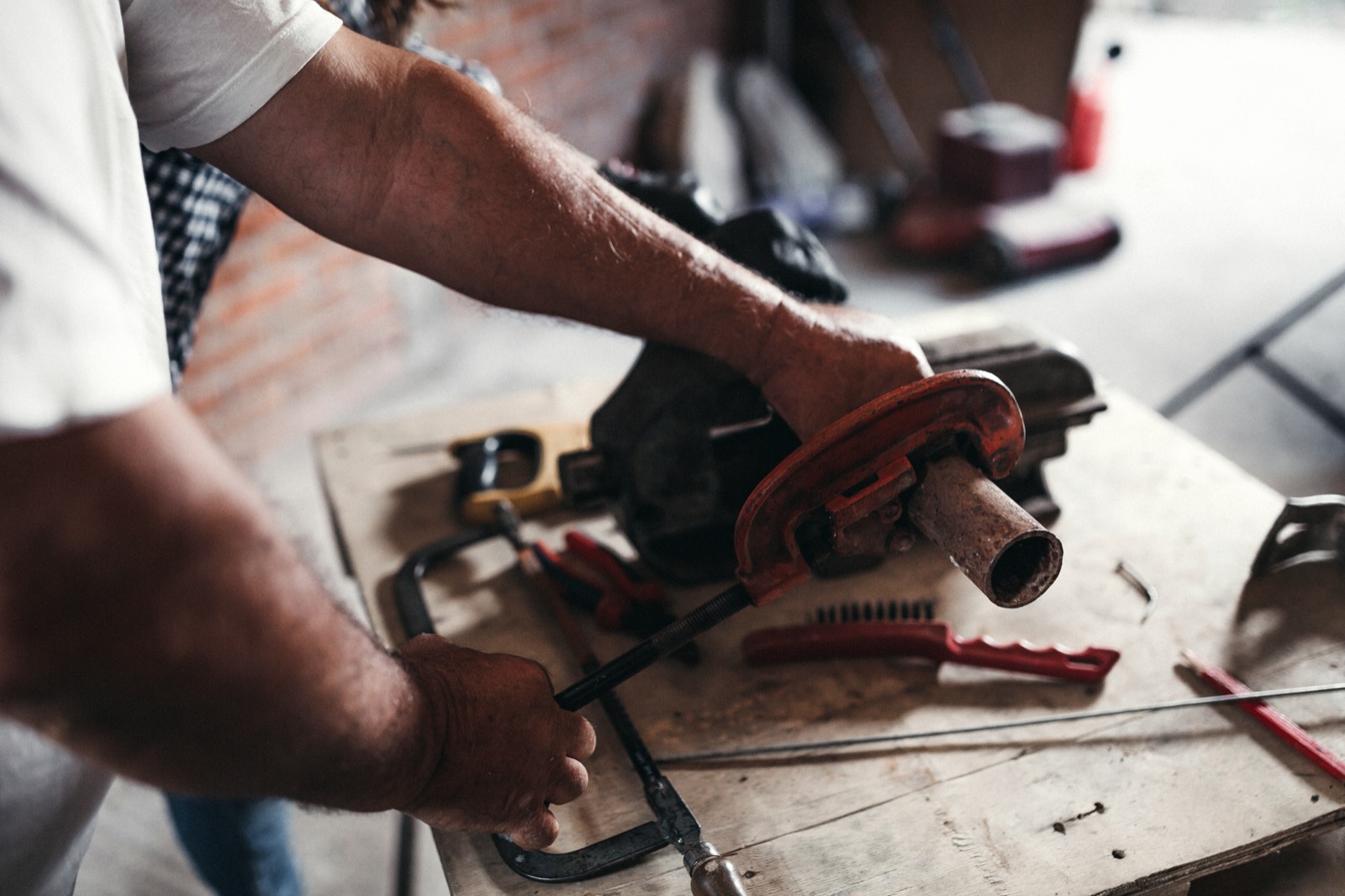
When patients ask "what causes tennis elbow?", the honest answer is that sport sits well down the list. The leading causes are repetitive strain from computer work, trades and manual labour:
- Repetitive computer and mouse use, particularly where the wrist or forearm has poor support, and the hand is held in slight extension for hours at a time
- Trade and manual work involving repetitive gripping of tools, including screwdrivers, hammers, spanners and vibrating power tools
- Manual handling roles involving repeated lifting, twisting or carrying
- Hobbies with repetitive arm motion, such as gardening, painting and DIY renovation, often concentrated into weekend bursts rather than spread evenly across a week
- Racquet sports, which do cause tennis elbow but are one possible cause among many, and not the relevant one for most patients
Age plays a part. Tennis elbow is most common between 30 and 50, when tendon tissue has become less tolerant of repeated load, but activity levels typically remain high. The strongest risk factor, though, is simply sustained repetitive forearm movement, whether that comes from an occupation, a hobby or both.
How Is Tennis Elbow Diagnosed?
Diagnosis of tennis elbow is largely clinical. It rests on a detailed history covering where the pain sits, how it began, which movements provoke it, and what occupational or recreational activities load the forearm. Clinical assessment may include provocation tests such as resisted wrist extension, which reproduce pain at the lateral epicondyle when the extensor tendons are loaded.
Imaging is not always necessary. Ultrasound or MRI may be used to confirm the diagnosis, assess the extent of tendon change, or rule out other sources of elbow pain such as nerve entrapment, joint problems or referred pain from the neck. Where imaging has already been arranged, reviewing it properly is often the step that clarifies an unclear picture.
Assessment with AVA Orthopaedics is conducted by secure video consultation. A specialist takes a structured history, reviews any existing imaging in detail, and observes guided movement and functional testing over video. Where hands-on examination or new imaging is indicated, this is coordinated through referral to a provider near you, and the findings are reviewed at follow-up. This is a defined pathway rather than a workaround, and for a condition diagnosed primarily on history and pattern of symptoms, it allows specialist input to begin without waiting for an in-person appointment.
That timing matters here more than it does for many conditions. Tennis elbow is commonly carried for months before anyone seeks an opinion, largely because the name suggests it belongs to somebody else. Bringing a specialist into the picture earlier gives patients a clear diagnosis and clear direction on what to change, rather than continuing to load the tendon through the activities causing the problem. Patients anywhere in Australia can access this online assessment through AVA Orthopaedics without travelling to a clinic.
Tennis Elbow Treatment Options
Tennis elbow treatment follows a graduated pathway, beginning with the least invasive options. Most cases are managed without surgery.
The first and most important step is activity modification. This does not usually mean stopping work or resting the arm completely. It means identifying the specific movements loading the tendon and adjusting them, whether that involves changing desk and mouse setup, altering grip technique on tools, or temporarily reducing the aggravating component of a hobby. Without this step, other treatments tend to have limited effect, because the underlying load remains.
Physiotherapy forms the backbone of structured rehabilitation. Eccentric strengthening exercises, which load the tendon as it lengthens, are well established in tendon rehabilitation, and are typically paired with stretching and a graded return to normal loading. A brace or counterforce strap worn on the upper forearm may be used to offload the tendon attachment during aggravating activity, particularly for people who cannot avoid the provoking movements at work.
Anti-inflammatory measures may be used to manage symptoms, and in some cases a corticosteroid injection is considered. Injections can provide symptom relief in the shorter term, and the decision to use one is made case by case, weighed against the longer-term response of the tendon.
Surgery is reserved for the small proportion of cases that remain persistent after an extended period of appropriate conservative treatment. It involves addressing the degenerative tissue at the tendon origin, and is a considered step rather than an early one.
Early specialist input shapes this pathway. Starting at the conservative end of the scale, with an accurate diagnosis and a clear plan for load management, is how most cases are resolved. Following an online consultation, AVA Orthopaedics can provide you with a clear treatment plan, clarity and next steps.
Recovery Timeline for Tennis Elbow

Recovery from tennis elbow varies considerably, and the figures below are general guidance only.
Mild cases identified early may settle within a few weeks once the aggravating activity has been modified and basic rehabilitation has begun. More established cases, particularly those carried for months before assessment, commonly require several months of structured rehabilitation with gradual reintroduction of load.
Recurrence is common, and the usual reason is a return to aggravating activities before the tendon has adapted to the load. Symptoms improving is not the same as the tendon being ready, and the gap between those two points is where most setbacks occur. Consistent follow-up helps manage that transition, and reviews can be conducted by telehealth throughout, without pausing rehabilitation to attend appointments.
Your own timeline depends on how long symptoms have been present, the degree of tendon change, and the demands of your work. These are matters to discuss with your treating surgeon.
Tennis Elbow Specialist Australia: Why See a Specialist?
Searching for a tennis elbow specialist in Australia often begins after months of self-management. That delay is built into the condition. The name suggests a sporting injury, the onset is gradual, and there is no single moment of injury to prompt action, so the elbow gets worked through until it cannot be.
Specialist input adds value in three specific areas. The first is diagnostic certainty. Pain on the outside of the elbow has several possible sources, including nerve entrapment and referred pain, and distinguishing between them determines the entire treatment plan. The second is imaging interpretation. Where scans have been performed, the degree and location of tendon change informs how aggressively to rehabilitate and how long recovery is likely to take. The third is judgement about the conservative and surgical pathway, including where a case sits on that scale and what would need to change before escalation is considered.
AVA Orthopaedics provides this through online video consultation, available across Australia. That accessibility matters most for patients in regional and remote areas, where specialist orthopaedic appointments can involve significant travel and extended waiting periods. Assessment, imaging review and ongoing follow-up are all conducted remotely, with local referral arranged where hands-on care is required.
Schedule a Telehealth Appointment for Your Elbow Injury

If you have persistent pain on the outside of your elbow, weakness in your grip, or discomfort that worsens when you lift and twist, a specialist opinion will tell you what you are dealing with and what to do about it.
Schedule a telehealth appointment with AVA Orthopaedics for clarity about your elbow injury. Booking is straightforward, consultations are conducted by secure video from wherever you are, and specialist assessment is available without an in-person visit.
Specialist Advice. Early Direction.
Book a telehealth consultation: avaortho.com.au