

What Is a Stress Fracture in the Foot?
Most bone injuries have a clear moment of injury. A fall, a heavy landing, a twist on uneven ground. A stress fracture in the foot works differently, and that difference is what makes it so easy to miss.
A stress fracture is a small crack in a bone caused by repetitive stress and microtrauma rather than one significant impact. In the foot, it most commonly affects the metatarsals, the long bones running from the midfoot towards the toes. Bone is living tissue that continually repairs and remodels itself in response to the demands placed on it. When repeated load outpaces that repair process, a small crack can develop.
This gradual onset makes the injury easy to dismiss. Early symptoms can feel like ordinary training soreness, so many people change their shoes, stretch a little more, and keep going. By the time the pain becomes difficult to ignore, the injury has often progressed well beyond where it began.
This guide covers what causes a stress fracture in the foot, the signs and symptoms to watch for, how the injury is diagnosed, the treatment options available and general healing timeframes.
Symptoms, Causes and Treatment of Foot Fractures
What Causes a Stress Fracture in the Foot?
Understanding what causes a stress fracture in the foot starts with how bone responds to load. Every time the foot strikes the ground, force travels through the bones of the midfoot and forefoot. In normal circumstances, the bone adapts, strengthening in response to that demand. Problems arise when the volume of load applied is greater than the body's capacity to repair and remodel the bone between sessions. Small areas of weakness accumulate, and over time a crack forms.
Common causes and contributing factors include:
- A sudden increase in training volume, intensity or distance, particularly in running and other high-impact sports
- Repetitive impact activities such as running, dancing or military-style training
- Inadequate footwear, or shoes worn past the point where they absorb impact effectively
- Training on hard or unforgiving surfaces
- Reduced bone density, low energy availability or nutritional deficiencies, which are relevant across a wide range of athletes
- A change in surface, terrain or training routine without an adequate adjustment period
What these factors share is that they build load gradually. A fall or a twist produces immediate, obvious pain that sends most people straight to a doctor. A stress fracture produces something much quieter, and that difference is why it is so often missed in its earliest, most treatable stage.
Signs of a Stress Fracture in the Foot
The early signs of a stress fracture in the foot are subtle, and almost all of them can be reasonably explained away as normal training fatigue. That is precisely the problem.
Early warning signs include:
- A dull, aching pain that develops gradually rather than appearing suddenly
- Pain that initially occurs only during or after activity, then begins appearing earlier in a session, and eventually during everyday walking
- Localised tenderness at a specific point on the top or side of the foot
- Mild swelling, which may be barely noticeable at first
- Pain that settles with rest but consistently returns once activity resumes
That last pattern deserves particular attention. Pain that eases with a few days off and returns as soon as training restarts is often interpreted as general overuse soreness that simply needs more recovery. In a stress fracture, rest does exactly what rest does: it reduces load on a bone that cannot yet tolerate it, and the pain returns because the underlying crack has not healed.
Stress Fracture Foot Symptoms as the Injury Progresses
If you don't address the injury, stress fracture foot symptoms tend to follow a recognisable escalation. Pain becomes more constant and may occur at rest or during normal walking, not just during activity. Swelling and tenderness become more pronounced and easier to pinpoint to one specific area of the foot. In some cases, visible bruising develops over the affected region.
Pain during ordinary walking is a significant marker. At that point, the bone is loaded beyond its tolerance during normal daily activity, and rest alone is unlikely to resolve the injury. This is the stage at which professional assessment becomes important rather than optional.
How Is a Foot Stress Fracture Diagnosed?

Diagnosis begins with a detailed history. An orthopaedic specialist will ask about training load, recent changes in volume or intensity, footwear, surfaces, the timeline of symptoms and the relationship between pain and activity. For an injury with no single moment of onset, this history often carries more diagnostic weight than anything else.
During an online video consultation, assessment is history-based, patient-demonstrated, and imaging-based. Patients can be guided to demonstrate movement, weight-bearing patterns, and the location of tenderness on camera, and can compare the affected foot with the other side. Where hands-on assessment is required, it is coordinated through referral to a local provider.
Imaging is central to confirming the diagnosis. Stress fractures frequently do not appear on an initial X-ray, particularly in the first few weeks after symptoms begin, because the crack may be too fine to be visible. An MRI or bone scan is often required to confirm the diagnosis at that stage. Patients can arrange imaging locally and have the AVA Orthopaedics specialist review it remotely, so the process doesn't depend on where in Australia they live.
Because this injury is so easily dismissed as ordinary soreness, a specialist opinion can identify it while it can still be managed conservatively, rather than after it has progressed.
Stress Fracture Foot Treatment
Stress fracture foot treatment is built around a straightforward principle: remove the load that caused the injury, and give the bone the conditions it needs to heal.
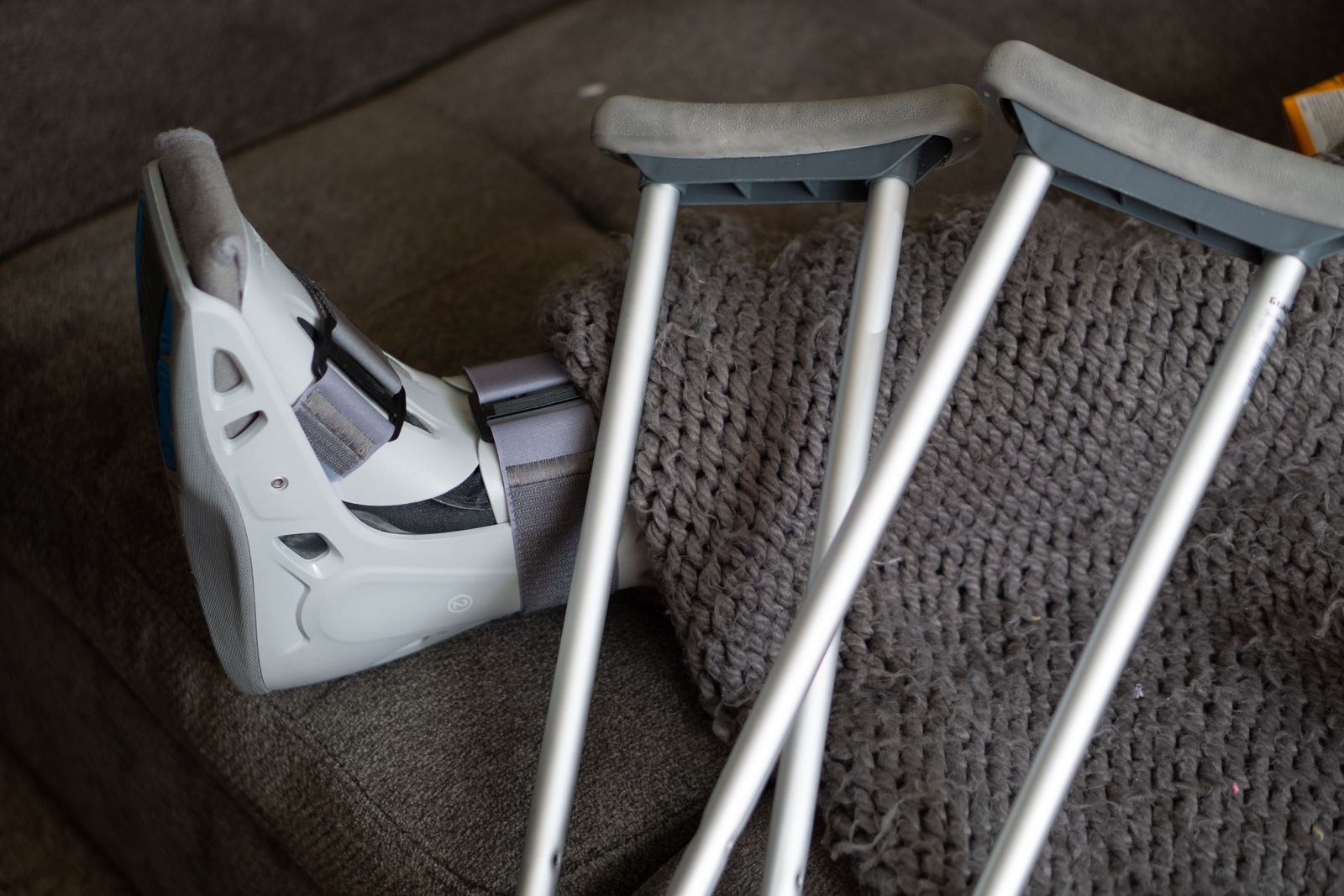
The first step is offloading the affected foot. Depending on the location and severity of the fracture, this may involve reduced weight bearing, a protective boot, or in some cases crutches. Alongside this, you need a structured period of rest from the aggravating activity. The important word is structured. The duration and extent of rest should be guided by symptoms and imaging findings rather than estimated, because returning to load too early is one of the most common reasons a stress fracture fails to settle.
Once healing is confirmed, return to activity is staged and gradual. The bone that couldn't tolerate the previous training load needs to be reintroduced to that load progressively, which is why a sudden return to a previous training schedule often results in a repeat injury.
Effective management also addresses the factors that contributed to the fracture in the first place, whether that is footwear, training progression, surfaces or bone health and nutrition. A small number of stress fractures, particularly those in higher risk locations within the foot, may require more involved management or onward referral if healing does not progress as expected.
Identifying a stress fracture early gives the bone the best opportunity to heal with offloading and rest alone, rather than progressing to a more serious or slower healing fracture. Following an online consultation, AVA Orthopaedics can coordinate next steps including imaging, follow-up and referral where required.
How Long Does a Foot Stress Fracture Take to Heal?

How long a foot stress fracture takes to heal depends on which bone is involved, the severity of the fracture and how early it was identified. As a general guide, many foot stress fractures heal in about six to eight weeks with appropriate offloading and rest, although this range is indicative rather than prescriptive, and individual recovery varies considerably.
For some foot bones, the blood supply is poor, and healing can take months. A fracture caught at an early stage is a smaller problem than the same fracture six weeks later.
Consistent specialist follow-up, which can be conducted via telehealth, helps confirm that healing is progressing before a full return to activity. Returning to sport based on how the foot feels rather than on confirmed healing is a recognised route back to the same injury.
Foot Stress Fracture Specialist Australia: Why Specialist Assessment Matters
Searching for a stress fracture specialist Australia-wide often follows weeks of self-management, because the gradual onset of this injury encourages people to wait and see. Specialist input matters most for injuries that are easy to rationalise, and a stress fracture in the foot is one of the clearest examples. The decisive questions, whether the pain represents a fracture, which imaging is appropriate and how much load the foot can safely tolerate, benefit from specialist assessment rather than trial and error.
An online consultation for a foot injury allows that assessment to take place without travel to a metropolitan clinic, which matters for patients in regional and remote areas as well as for anyone managing an injury alongside work or family commitments. AVA Orthopaedics provides orthopaedic specialist consultations by video across Australia, with imaging arranged locally and reviewed remotely. A Medicare rebate may apply with a valid referral.
Contact AVA Orthopaedics for an Online Video Consultation
If you suspect a stress fracture in the foot, contact AVA Orthopaedics for an online video consultation. Specialist assessment is available by video from anywhere in Australia, without the need for an in-person visit, and we can coordinate next steps, including imaging and referral, during your consultation.
Specialist Advice. Early Direction.