
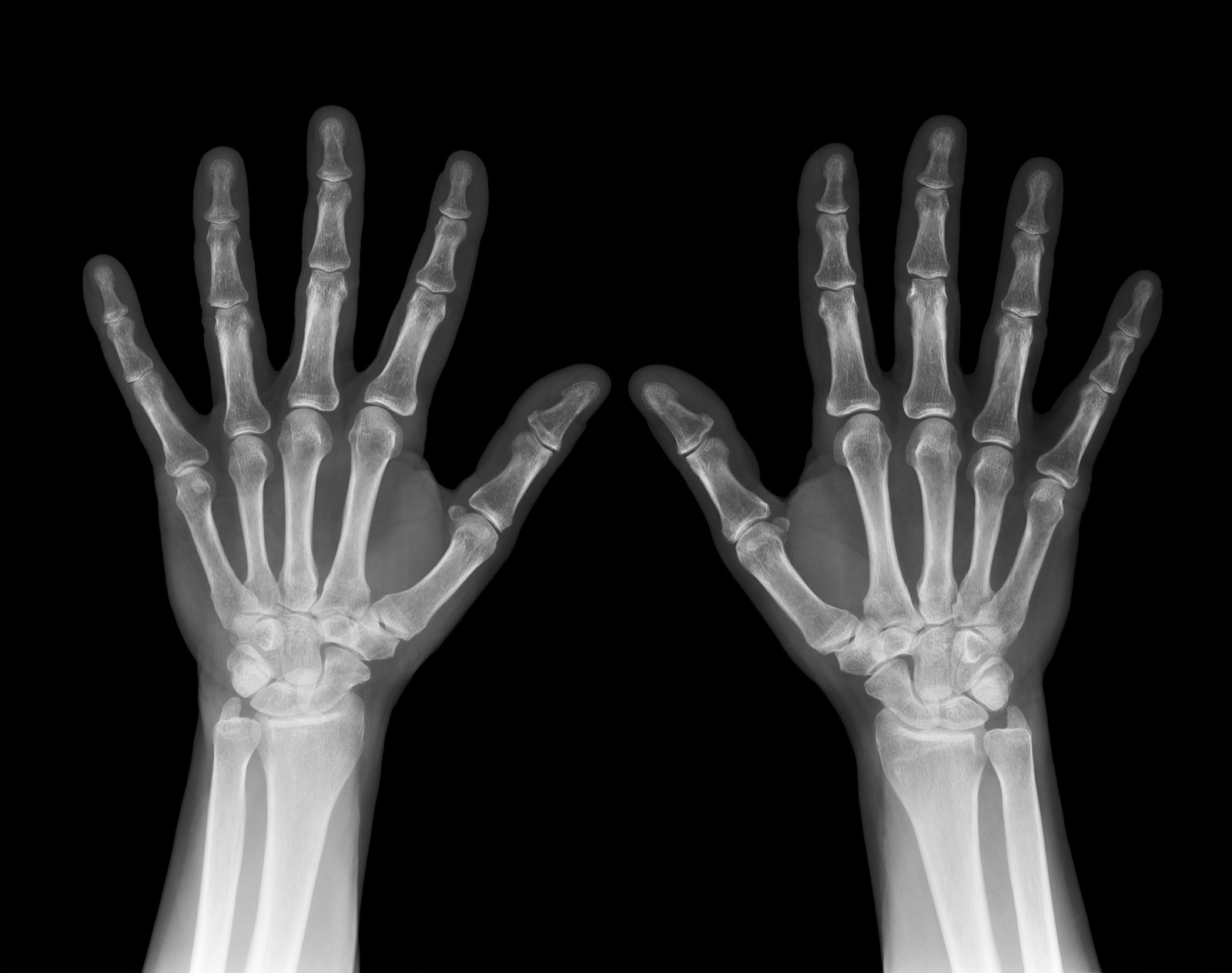
Broken Wrist/ Wrist Fracture: Symptoms, Causes and Treatment
A broken wrist is one of the most common fractures at every stage of life, yet the reasons behind it look very different depending on who is affected. A fit young athlete and an older adult may present with a similar-looking injury, but the mechanism, the state of the bone underneath, and the treatment that suits each of them can differ considerably.
What Is a Broken Wrist?
A wrist fracture is a break in one of the bones that make up the wrist. The most common is a fracture of the distal radius, the end of the larger forearm bone where it meets the hand. The other frequently injured bone is the scaphoid, a small bone on the thumb side of the wrist that sits in the hollow at the base of the thumb.
Two patient profiles account for most of these injuries. The first is the active person who falls on an outstretched hand during sport, at speed or from height, where the force involved is high. The second is the older adult who fractures a wrist in a simple, low-impact fall, such as tripping on a step at home, where the force is modest, but the bone is less able to absorb it. Recognising which of these applies matters, because it shapes how the injury is assessed and what treatment is likely to suit.
This guide covers wrist fracture symptoms, common causes, risk factors, how a fracture differs from a sprain, how the injury is diagnosed, the treatment options available, what recovery generally involves and the role of AVA Orthopaedics for specialist advice and early direction.
Wrist Fracture Symptoms
Wrist fracture symptoms usually appear immediately after the fall or impact, although the severity varies with the bone involved and how the bone has moved.
- Sudden, sharp pain at the moment of the fall or impact
- Swelling and bruising around the wrist and base of the hand
- Visible deformity or an obviously abnormal wrist shape, more common in displaced distal radius fractures
- Tenderness directly over the bone, which can be subtle in a scaphoid fracture
- Reduced grip strength and difficulty moving or rotating the wrist
- Pain that worsens with weight through the hand, such as pushing up from a chair
Scaphoid fractures deserve particular attention. They frequently produce mild symptoms that feel much like a minor sprain, with modest swelling and pain that settles enough over a few days for the injury to be dismissed. Persistent wrist pain after a fall, even pain that seems to be improving slowly, is worth having assessed rather than waiting to see whether it resolves on its own.
What Causes a Wrist Fracture?
When patients ask what causes a wrist fracture, the answer usually comes back to a fall onto an outstretched hand. The instinct to put a hand out to break a fall directs the full force of the body through the wrist, and the bones at that junction are the ones that give way.
The two patient profiles diverge sharply here. In younger, active people, the fracture typically follows a high-energy event, such as coming off a bike or landing awkwardly during sport. In older adults, the same fracture can follow a simple trip at walking pace, because reduced bone density means less force is needed to cause a break.
- Falls on an outstretched hand during sport, including football, netball, skateboarding and cycling
- Falls from height, motor vehicle accidents and workplace incidents, generally higher energy trauma
- Simple trips or low-impact falls at home or on uneven ground, particularly in older adults
- Direct blows or impacts to the wrist

Wrist Fracture Risk Factors
Wrist fracture risk factors also separate along the same lines, with activity level driving risk in younger people and bone quality driving it in older adults.
- High-impact or contact sport participation and higher overall activity levels in younger people
- Osteoporosis or reduced bone density, which becomes more common with increasing age and is particularly relevant in postmenopausal women
- Balance difficulties, reduced vision, or other factors that increase the likelihood of a fall
- Previous wrist or forearm fracture
- Certain medical conditions and medications that affect bone strength
Because the risk profile differs so much between age groups, treatment decisions need to account for bone quality and functional demands, not the fracture pattern alone. A displaced fracture in a twenty-year-old tradesperson and the same fracture in an eighty-year-old with osteoporosis may reasonably be managed along different paths.
Wrist Fracture vs Wrist Sprain: How to Tell the Difference
The question of wrist fracture vs sprain comes up constantly, and it is genuinely difficult to answer without imaging. Both injuries follow the same mechanism, both cause pain and swelling, and both can limit movement in the hours immediately afterwards. Self-diagnosis at this point is unreliable.
Some general patterns are worth knowing. A fracture is more likely when there is visible deformity, intense pain localised over a specific point on the bone, or an inability to take weight through the hand. A sprain more often produces generalised swelling around the joint without one clearly tender spot on the bone itself. Pain that eases substantially within a day or two is more consistent with soft tissue injury.
These patterns are indicators, not answers. The scaphoid is the clearest reason for caution, because a scaphoid fracture can present with mild, sprain-like symptoms while still being a genuine break. Scaphoid fractures that go unrecognised can cause ongoing problems with healing, which is why persistent wrist pain after a fall warrants professional assessment rather than an assumption.
How Is a Broken Wrist Diagnosed?
Diagnosis rests on three elements: a detailed account of how the injury happened, an examination of the wrist, and imaging to confirm the fracture and define its pattern. An X-ray is the standard first investigation and will identify most distal radius fractures.
Scaphoid fractures are less straightforward. They do not always appear on an initial X-ray, and where clinical suspicion remains high despite a normal film, further imaging such as a CT or MRI may be arranged, or the wrist may be immobilised and re-imaged after an interval.
Assessment Through AVA Orthopaedics.
Consultations with AVA Orthopaedics are conducted by online video. The specialist takes a detailed history of the injury, reviews any imaging that has been performed, and determines what further investigation is required. Where hands-on examination is needed, this is coordinated through a referral to a local provider, and imaging can be arranged locally wherever a patient lives in Australia and reviewed remotely by the specialist, which means access to orthopaedic assessment does not depend on being near a major city.
Early assessment matters because some treatment options are time-sensitive. A fracture identified and treated while it remains well positioned may be manageable in a cast, whereas the same fracture identified later, after the bone has begun healing in a poor position, may require a more involved approach.
Wrist Fracture Treatment Options
Wrist fracture treatment depends on the fracture pattern, the bone involved, how well the fragments are aligned, and the patient's age and functional demands. This is where the two-profile contrast becomes most practical.
Non-surgical treatment for wrist fracture involves immobilisation in a cast or splint, followed by a structured return to movement and strength. This is generally suitable where the fracture is stable and the bone fragments are well positioned, and it is more often appropriate for lower-demand patients whose daily activities do not place heavy loads through the wrist. In some cases, the bone is repositioned before the cast is applied. If the AVA Orthopaedics specialists decide you need a cast, they can help guide you to a local provider and provide a detailed summary of what is needed.
Wrist fracture surgery involves fixation of the bone, commonly with plates, screws or pins. Surgery is considered where the fracture is displaced, where the break extends into the joint surface, where the position cannot be held in a cast, or in younger and more active patients who require full function restored for work or sport. If surgery is required, the AVA Orthopaedics specialists can guide you to a local surgeon and provide a referral.
Scaphoid fractures are a separate consideration. The blood supply to the scaphoid enters from one end, which means fractures across certain parts of the bone heal slowly and carry a higher risk of the bone failing to unite. For this reason, surgery is sometimes recommended for scaphoid fractures even when the bone has not moved out of position, depending on where the break sits.
Assessment early in the course of the injury keeps the widest range of these options available, and an online consultation allows that assessment to happen without waiting for an in-person specialist appointment. Following the consultation, AVA Orthopaedics can coordinate the next steps, including further imaging, in-person casting, or referral for surgical management where that is the recommended path.

Recovery Timeline for a Broken Wrist
The following is general guidance only. Individual recovery varies considerably, and timelines should be discussed with the treating surgeon.
Immobilisation in a cast or splint commonly continues for around six weeks, after which a period of physiotherapy is usually recommended to restore movement, grip strength and confidence in the wrist. Stiffness in the first weeks out of a cast is expected and improves with structured rehabilitation. Scaphoid fractures often require longer immobilisation than distal radius fractures. AVA Orthopaedics specialists will be able to provide detailed guidance on recovery, including referrals for therapy as needed and follow-up online care.
Recovery goals differ between the two patient groups. A younger athlete is typically working towards a full return to sport, which requires the wrist to tolerate loading, impact and awkward positions. An older adult is more often focused on a safe return to daily activities and independence, where the priority is confident use of the hand for household tasks. Consistent specialist follow-up helps keep recovery on track, and review appointments can be conducted by telehealth.
Broken Wrist Specialist: Why See an Orthopaedic Specialist
Wrist fractures are a good example of an injury where the right treatment path depends heavily on individual factors. Two people can present with the same X-ray finding and receive different recommendations, because age, bone quality, hand dominance, occupation and activity level all bear on the decision. Orthopaedic input helps ensure that the decision reflects the whole picture rather than the image alone.
AVA Orthopaedics provides orthopaedic specialist consultations by online video across Australia. Patients outside metropolitan areas can access specialist assessment without travelling, and imaging arranged locally is reviewed as part of the consultation. A Medicare rebate may apply with a valid referral.

Book a Telehealth Appointment for Your Wrist Fracture
If you have injured your wrist in a fall and are dealing with ongoing pain, swelling or difficulty using your hand, book a telehealth appointment with an orthopaedic specialist at AVA Orthopaedics. Booking is straightforward, and specialist assessment is available without an in-person visit.
Specialist Advice. Early Direction.