
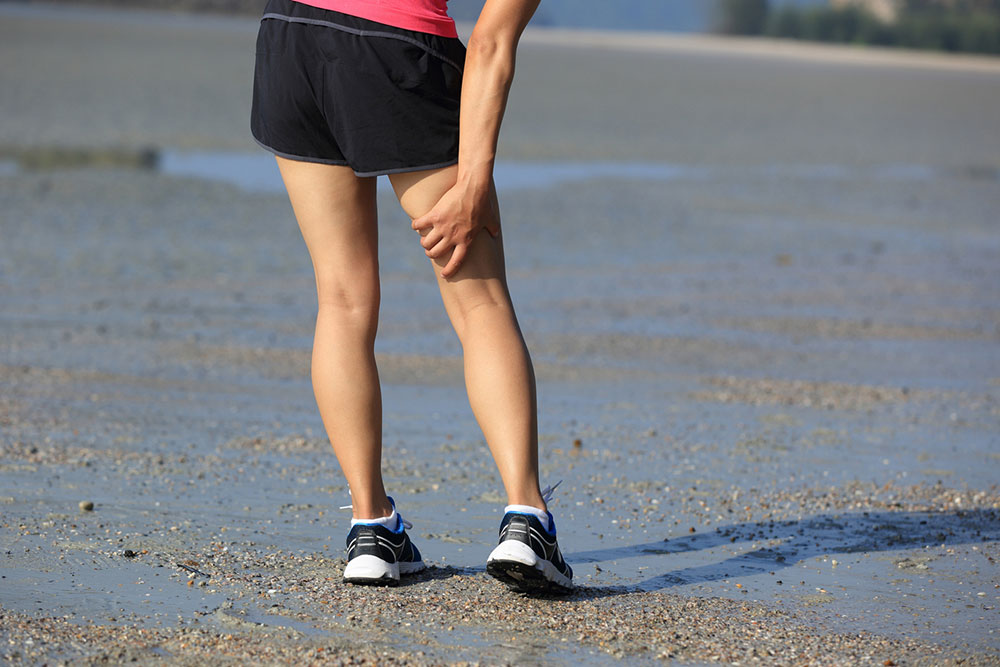
What Is a Hamstring Tear?
Hamstring tears are common across Australian sport and everyday activity, but their reputation comes less from how often they happen than from how often they come back. A hamstring tear, also known as a hamstring strain, is a stretch or tear in one of the three muscles running down the back of the thigh. The injury sits on a spectrum, from a mild strain involving a small number of muscle fibres through to a complete rupture of the muscle or the tendon that anchors it.
What sets this injury apart is its recurrence rate. Hamstring injuries have among the highest rates of recurrence of any sporting injury, and the most common reason is a return to full activity before the tissue has properly healed. A first tear is often uncomplicated. A second tear in the same muscle is frequently more significant and tends to take longer to settle.
This guide covers hamstring tear symptoms, what causes the injury, why it occurs so often in sport, how it is diagnosed, available treatment options, and what recovery and re-injury prevention actually involve.
Hamstring Tear Symptoms, Causes and Treatment
Hamstring Tear Symptoms
Hamstring tear symptoms usually begin suddenly and are felt at the moment of injury rather than developing gradually over days. Common symptoms include:
- A sudden, sharp pain in the back of the thigh, often described as a pull or a pop
- Swelling and bruising that may develop over the following days
- Tenderness along the back of the thigh or into the lower buttock
- Weakness when bending the knee or extending the hip
- Difficulty walking, running or climbing stairs, depending on the severity of the tear
- In severe complete tears, a gap that can be felt in the muscle, along with significant bruising tracking down the leg
Hamstring tears are graded from mild (grade 1) through to complete (grade 3). Grading matters because it sets realistic expectations for recovery time and how staged the return to activity needs to be. A grade 1 strain and a grade 3 rupture may both present with pain in the back of the thigh, but they follow very different recovery pathways.
What Causes a Hamstring Tear?
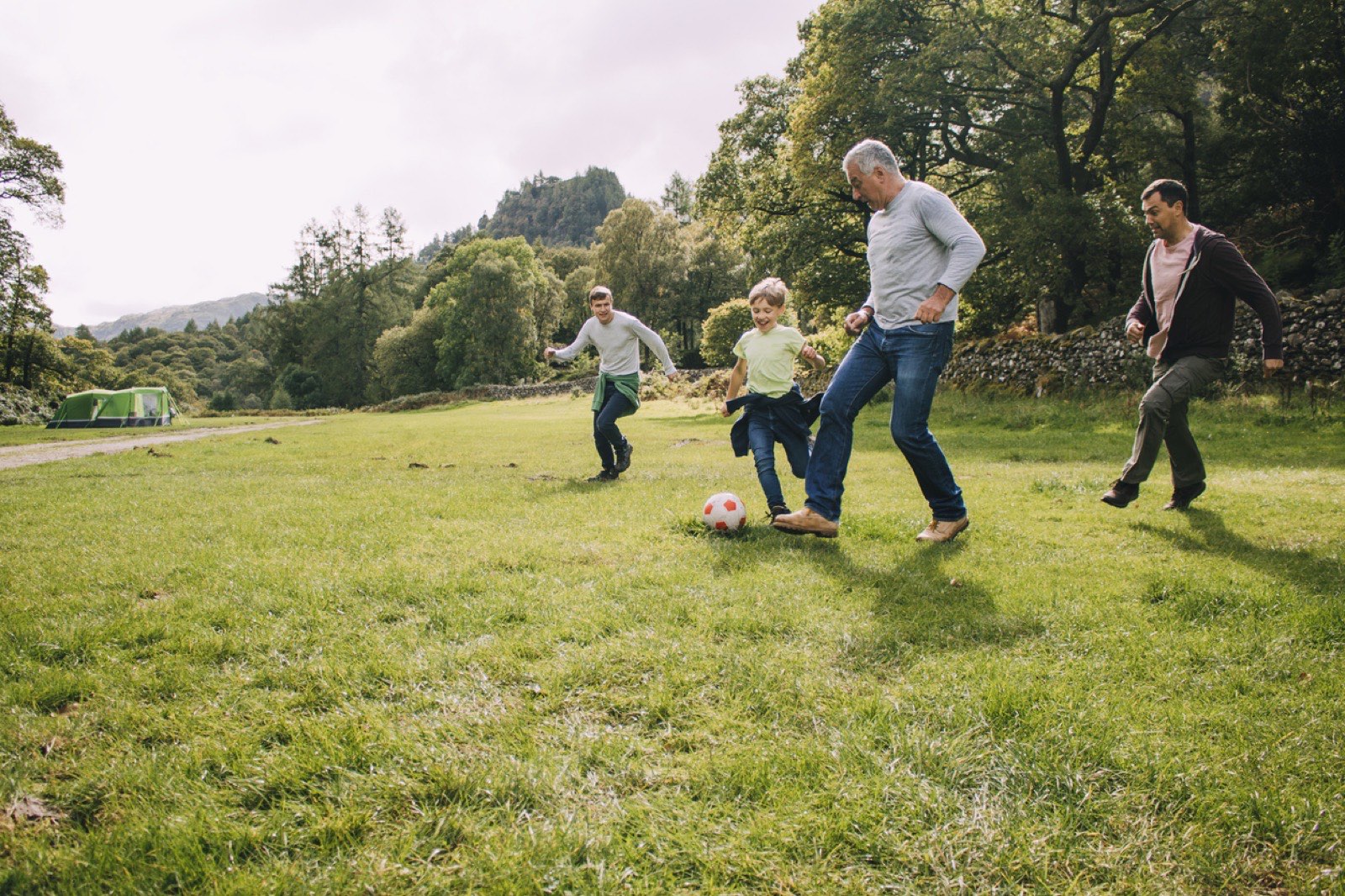
What causes a hamstring tear is usually a sudden, forceful stretch or contraction of the muscle, most often while the leg is moving at speed. The hamstring is loaded heavily during the phase of running where the leg swings forward and the muscle is lengthening while working to slow the lower leg down. This combination of load and length is where most tears occur.
Common causes and scenarios include:
- Sprinting or sudden acceleration during sport
- Rapid deceleration or sharp changes in direction
- Overstretching during kicking, lunging or other high-speed movements
- Inadequate warm-up before high-intensity activity
- Muscle fatigue late in a game or training session, when technique and control begin to break down
Hamstring Tears in Sport

Hamstring tears in sport most often occur in activities that involve sprinting and rapid changes of pace. Football (both soccer and AFL), along with athletics, rugby, and basketball, account for a large share of these injuries. The mechanism is consistent across all of them: high-speed running, sudden acceleration, or a forceful kicking or lunging movement.
Athletes are particularly exposed to the re-injury problem. Pressure to return to training and competition, whether that pressure comes from a team, a season timeline or the athlete themselves, can lead to resuming full intensity before the muscle has finished healing. This is where the injury changes character. An incomplete recovery from a first hamstring tear is one of the strongest predictors of a second tear, and second tears are often more significant than the original injury.
Recreational and weekend athletes face the same risk. The absence of a professional training environment does not reduce the recurrence rate. If anything, a return to sport without structured supervision makes it harder to judge when the muscle is genuinely ready.
How Is a Hamstring Tear Diagnosed?
Diagnosis begins with a detailed history. The mechanism of injury, what the patient felt at the moment it happened, where the pain sits, whether there was an audible or felt pop, how quickly bruising appeared, and what activity is now limited all give a clear picture of the likely grade and location of the tear.
AVA Orthopaedics operates as a telehealth service and does not perform hands-on physical examination. During an online video consultation, the specialist takes a structured history and can guide the patient through specific movements to demonstrate on camera, such as knee bend, hip extension and range of motion, observing where symptoms are reproduced and how the leg is functioning. Where hands-on assessment is clinically necessary, this is coordinated through referral to a local provider.
Imaging is often central to confirming the diagnosis. Ultrasound or MRI can identify the grade and precise location of the tear, which matters most in significant injuries, in tears involving the tendon, and in any case where surgery may be considered. Imaging can be arranged locally and reviewed remotely by the specialist, so patients anywhere in Australia can have their scans interpreted without travelling to a capital city.
Accurate early diagnosis, including the grade of the tear, is what allows a realistic return-to-activity timeline to be set. That timeline is the single most important protection against re-injury, because it replaces guesswork about how the leg feels with a structured plan based on what the tissue can actually tolerate.
Hamstring Tear Treatment Options

Hamstring tear treatment depends on the grade of the tear, its location, and the demands the patient needs the leg to meet.
Non-surgical treatment for hamstring tear
Most hamstring tears are managed without surgery. Initial management focuses on protecting the muscle and settling pain and swelling, followed by a structured, staged physiotherapy program. That program typically progresses through restoring mobility, rebuilding strength, and then reintroducing sport-specific and high-speed loading.
The staged structure exists for a specific reason. Each phase confirms the muscle can tolerate a given load level before introducing the next level. Skipping stages is what produces the recurrence pattern hamstring injuries are known for, because pain settling and tissue healing do not happen on the same schedule. A hamstring can feel comfortable at walking pace well before it can withstand sprinting.
Hamstring tear surgery
Hamstring tear surgery is generally reserved for complete tears, for avulsion injuries where the tendon has pulled away from the bone, and for cases that have not responded to non-surgical management. Surgical decisions depend on the grade and location of the tear, the patient's activity level and functional demands, and specialist assessment of the imaging.
Starting treatment early allows a properly staged recovery plan to begin sooner, which is one of the more effective protections against re-injury. Following an online consultation, AVA Orthopaedics can coordinate next steps promptly, including imaging, physiotherapy referral, in-person follow-up where hands-on assessment is required, and surgical referral where indicated.
Recovery and Avoiding Re-injury
Recovery timeframes vary considerably according to the grade and location of the tear:
- Mild strains (grade 1) may settle over a period of weeks
- Moderate partial tears (grade 2) generally take longer, with a graded return-to-sport phase following the initial healing period
- Severe or complete tears (grade 3) can take several months, and may involve an extended return-to-activity period
- Where surgical repair is required, recovery follows its own pathway, determined by the procedure performed and the specialist's post-operative plan
These ranges are general. The appropriate timeline for any individual depends on the grade of the tear, its location and the demands of the sport or activity being returned to.
Most repeat hamstring injuries share a single cause. Someone returns to full activity based on how the leg feels rather than on a structured, specialist-guided timeline. Pain resolves relatively early in the healing process, well before the muscle has regained the strength and tolerance required for high-speed running. The leg feels ready. The tissue is not.
Reducing that risk comes down to a few consistent principles. A full strength and flexibility rehabilitation program should be completed before returning to sport, not abandoned once symptoms settle. Return to running and sprinting should be progressive and graded, rather than an abrupt jump back to full speed in a competitive setting where pace cannot be controlled. Ongoing specialist or physiotherapy check-ins during the return-to-sport phase help confirm each stage is being tolerated. Underlying contributors also warrant attention, including a history of hamstring injury, muscle imbalance, and training load.
Why Should You See an Orthopaedic Surgeon for a Hamstring Injury?
For an injury where the grading and the return-to-activity plan determine whether it becomes a recurring problem, specialist input has a clear role. A hamstring injury specialist reviews imaging in the context of the injury history, assesses whether the tear involves the tendon or its attachment to bone, and considers the full range of management options, from staged conservative rehabilitation through to surgical repair where it is indicated.
That breadth matters most at the decision points. Determining whether a tear needs surgical review, whether an avulsion injury is present, and what a safe return-to-sport progression looks like for a specific patient are judgements that benefit from structural and surgical context.
AVA Orthopaedics provides an online consultation for hamstring injury assessment across Australia. Patients consult with a hamstring injury specialist by video from home, so access to a hamstring specialist in Australia doesn't depend on living near a major city. For patients in regional and remote areas, imaging can be arranged locally and reviewed remotely, and referrals for hands-on assessment or physiotherapy are coordinated with providers close to home.
Book an Online Appointment for Your Hamstring Injury

Book an online appointment with a hamstring injury specialist from AVA Orthopaedics for assessment of your hamstring injury. Consultations are conducted by video, so specialist assessment is available without an in-person visit, wherever you are in Australia.
A Medicare rebate may apply with a valid referral.
Book an online appointment with AVA Orthopaedics
Specialist Advice. Early Direction.