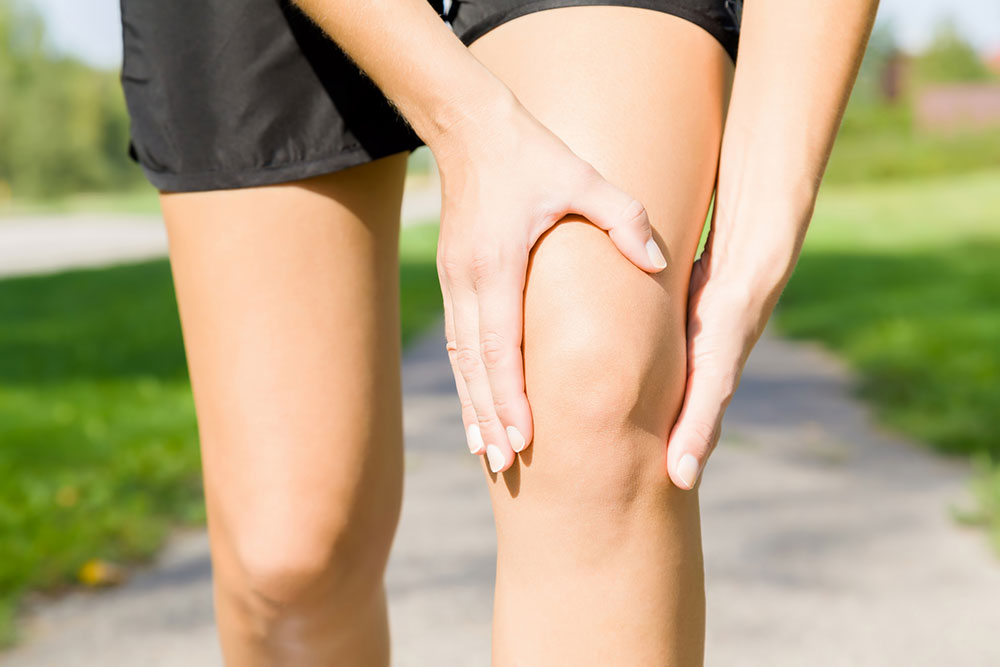
A meniscus tear is one of the most common knee injuries in Australia, affecting athletes, weekend sport players and older adults alike. If you are dealing with knee pain, swelling or a locking sensation, understanding your options for meniscus tear treatment is the first step toward getting back on your feet.
AVA Orthopaedics connects patients across Australia with experienced orthopaedic specialists through secure online video consultations. Wherever you live, you can have your clinical history assessed, knee imaging reviewed, and a personalised management plan for your injury devised, often on the same day.
What Is a Meniscus Tear?
The meniscus is a C-shaped piece of cartilage that sits between the thigh bone (femur) and shin bone (tibia). Each knee has two menisci, and together they act as shock absorbers, cushioning the joint and helping to distribute weight evenly during movement.
A meniscus tear occurs when this cartilage is damaged, either through a sudden twisting injury during sport or, more gradually, through wear and degeneration as part of the natural ageing process. As a type of knee cartilage injury, a meniscus tear can range from a small, stable tear that heals with conservative care to a more significant tear that requires surgical repair.
Symptoms of a Meniscus Tear
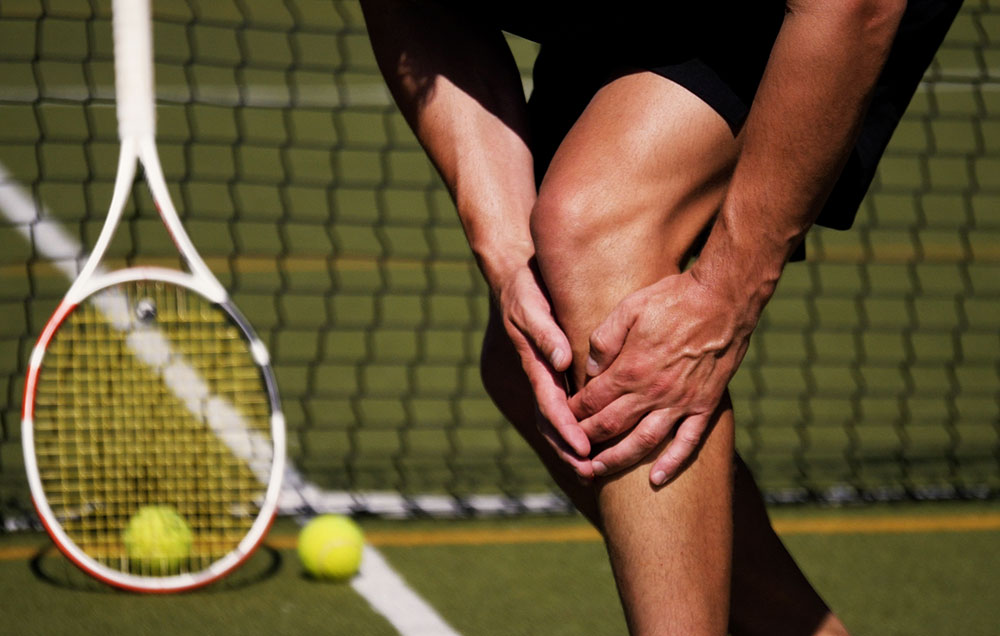
Recognising the symptoms early can help you get the right treatment for a meniscus tear before the injury worsens. Common signs include:
- A popping sensation at the time of injury
- Pain along the joint line, particularly when twisting or pivoting
- Swelling that develops within the first 24 hours
- Stiffness and reduced range of motion
- A sensation of the knee catching, locking or giving way
- Difficulty fully straightening the knee
Symptoms can vary depending on the size and location of the tear. Smaller tears may cause only mild discomfort, while larger tears can significantly limit mobility and everyday activity.
If you are experiencing any of these symptoms, an assessment by a meniscus injury specialist (an orthopaedic surgeon specialising in knees) can help determine the extent of the damage and the most appropriate path forward. Through an AVA Orthopaedics online consultation, you can describe your symptoms directly to an orthopaedic specialist and have any existing scans reviewed, without needing to travel or wait weeks for an in-person appointment.
Causes and Risk Factors of Meniscus Tears

Meniscus tears generally fall into two categories:
- Acute tears typically occur during sports or physical activities that involve sudden twisting or pivoting while the foot is planted, such as football, netball or basketball. These injuries are common among younger, active individuals.
- Degenerative tears develop over time as the cartilage naturally weakens with age. These tears can occur from routine movements such as squatting or even standing up, and are more common in people over 40.
Other risk factors include a history of knee injuries, being overweight, and occupations or hobbies that involve repetitive kneeling or squatting. Athletes who play contact or pivot-heavy sports, along with tradespeople whose work involves frequent squatting or kneeling, tend to face a higher likelihood of injury over time.
It is also worth noting that a meniscus tear can occur alongside other knee injuries, such as an anterior cruciate ligament (ACL) tear, particularly in cases of sudden, high-impact trauma. When multiple structures are affected, treatment planning becomes more complex, which makes a structured specialist assessment even more valuable.
Diagnosing a Meniscus Tear
Diagnosis usually begins with a structured clinical history and then an online examination to assess mechanism of injury, pain location, swelling and range of motion, followed by imaging such as an MRI to confirm the tear and determine its location and severity.
Searching for a knee specialist near me is often the first step patients take, but access to an orthopaedic specialist can be limited depending on where you live. AVA Orthopaedics removes this barrier. Through a secure video consultation, a specialist can discuss your clinical history, including functional capabilities, observe your knee online, and review your MRI or other imaging, no matter where you are in Australia.
Many patients are able to secure an appointment and receive specialist input on the same day they first contact us.
Meniscus Tear Treatment Options

Meniscus tear treatment depends on several factors, including the size, location and pattern of the tear, as well as your age, activity level and overall knee health.
Conservative (Non-Surgical) Treatment
Many meniscus tears, particularly smaller or degenerative tears located in the outer, well-vascularised region of the cartilage, can be managed without surgery. Conservative treatment typically includes:
- Rest and activity modification
- Ice and anti-inflammatory medication to manage swelling and pain
- Physiotherapy to strengthen the muscles supporting the knee
- A gradual return to activity guided by symptom response
Surgical Treatment
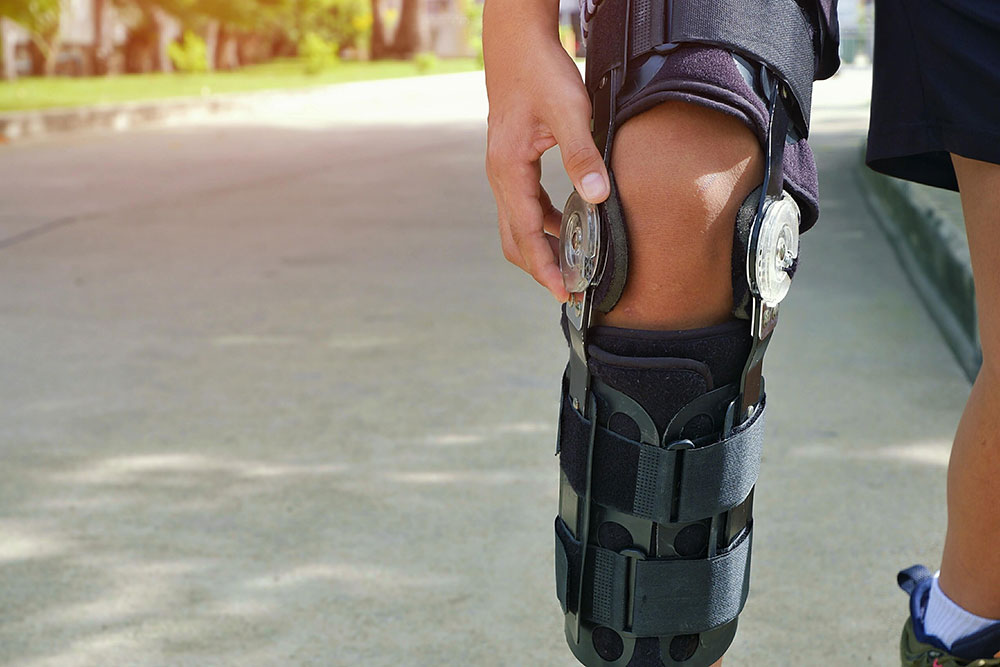
Larger tears, tears in the inner portion of the meniscus with poor blood supply, or tears that cause persistent locking or instability may require surgical intervention. Surgical options include:
- Meniscus repair, which stitches the torn cartilage back together and preserves as much of the meniscus as possible
- Partial meniscectomy, which removes the damaged portion of cartilage while retaining healthy tissue
The right approach depends on your specific injury and goals, which is why an accurate assessment from a specialist is so important. AVA Orthopaedics online consultations allow you to discuss surgical and non-surgical pathways with an orthopaedic specialist, review your imaging together and understand the reasoning behind a recommended treatment plan before deciding on next steps.
Recovery Timeline for Meniscus Tear
Recovery time varies significantly depending on the treatment approach and severity of the injury.
Non-surgical recovery typically takes four to six weeks, with a gradual return to normal activity guided by physiotherapy and symptom improvement.
Recovery after surgery is generally guided by your surgeon performing the procedure. It can take anywhere from a few weeks to six months to achieve full activity load, depending on the procedure.
AVA Orthopaedics offers follow-up consultations online, so you can track your progress with a specialist without the need for repeated in-person visits.