

What Is an AC Joint Injury?
When someone falls hard onto the point of their shoulder and is told they've suffered an AC joint injury, or a "shoulder separation," it's easy to assume there's one standard injury with one standard treatment. In practice, an AC joint injury covers a broad range of severity, from a mild ligament sprain that settles with rest and a sling, through to a complete separation of the joint that requires surgery. Like many shoulder injury presentations, what matters isn't just that the joint was injured, but how badly.
An AC joint injury refers to damage to the acromioclavicular (AC) joint, the small joint where the collarbone (clavicle) meets the top of the shoulder blade (acromion). It's usually caused by a sprain or tear of the ligaments that hold this joint in its normal position. Orthopaedic specialists classify AC joint injuries on a six-grade scale, and it's this grade, not simply the fact that an injury has occurred, that determines whether the right treatment is a sling and rehabilitation, or surgical stabilisation.
This article covers what causes an AC joint injury, the risk factors involved, common symptoms, how the injury is diagnosed and graded, treatment options across the grading scale, rehabilitation, and what recovery typically looks like.
What Causes an AC Joint Injury?
What causes an AC joint injury is almost always a direct mechanism: a fall or blow onto the point of the shoulder, which forces the collarbone out of its normal alignment with the shoulder blade. A less common mechanism is a fall onto an outstretched hand, where the force travels up through the arm and into the joint.
Common causes and scenarios include:
- Falls during contact sport (football, rugby, AFL, hockey)
- Cycling and mountain biking falls landing directly on the shoulder
- Falls from a height or during recreational activities such as skiing or snowboarding
- Motor vehicle and workplace accidents involving direct impact to the shoulder
- Contact during collision sports, where the shoulder takes a direct hit
AC Joint Injury Risk Factors
AC joint injury risk factors mostly relate to exposure: the activities and circumstances that increase the chance of a fall or direct blow onto the shoulder. These include:
- Participation in contact or collision sports
- Cycling, mountain biking or other sports with a high risk of falling onto the shoulder
- A previous AC joint injury, which can leave the joint less stable and more prone to re-injury
- Occupations or activities that carry a higher risk of falls or direct shoulder impact, such as trades work or outdoor recreation
It's worth separating risk factors from severity. Risk factors influence how likely someone is to sustain an AC joint injury in the first place. The eventual grade, and therefore how severe the injury turns out to be, depends on the force and direction of the impact at the time, not on any of the risk factors above.
AC Joint Injury Symptoms
AC joint injury symptoms can vary considerably depending on how severe the injury is, but common features include:
- Pain directly over the top of the shoulder, at the site of the AC joint
- Swelling and bruising around the joint
- A visible bump or "step" deformity, where the collarbone sits higher than the shoulder blade, more noticeable in higher grade injuries
- Pain that worsens with overhead movement or reaching across the body
- Weakness or reluctance to use the arm normally
This is where the grading system becomes so important. A mild sprain and a complete separation can present with very similar early symptoms; both cause pain, swelling, and reduced movement, which is why the presence (or absence) of a visible deformity and an accurate grade matter so much for determining the right treatment.
How Is an AC Joint Injury Diagnosed?
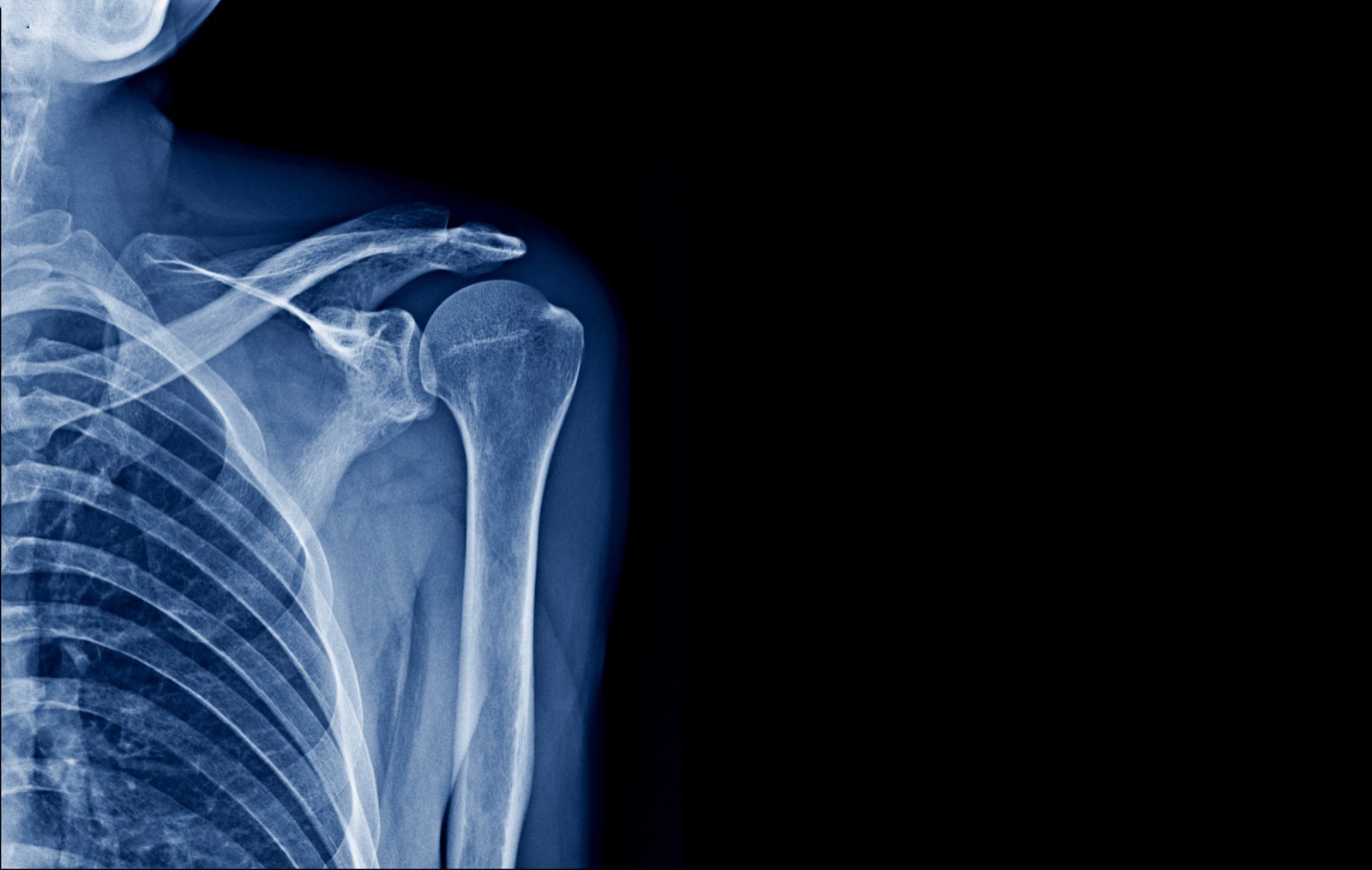
Diagnosis starts with a clinical assessment: a history focused on how the injury happened, an examination assessing the stability of the joint and any visible deformity, and imaging, typically an X-ray, to confirm the grade of injury.
In plain terms, AC joint injuries are classified across six grades. Grade 1 is a mild ligament sprain with no displacement of the joint. Grade 2 involves partial ligament tearing with some instability. Grades 3 and above involve progressively more ligament disruption and collarbone displacement, up to grade 6, a complete separation with significant displacement. This grading is what guides every treatment decision that follows.
An online video consultation with an AVA Orthopaedics specialist allows an AC joint injury to be assessed quickly, often within days, rather than waiting weeks for an in-person specialist appointment. Because the difference between a sling and surgery comes down to accurate grading, a prompt specialist assessment gives patients early clarity, rather than guessing based on how the shoulder looks or feels in the days after a fall.
Patients can have imaging arranged locally, at a clinic or radiology practice near them, with the results reviewed remotely by the specialist during the online consultation. This keeps the diagnostic process fast and accurate, regardless of where in Australia a patient is located.
AC Joint Injury Treatment
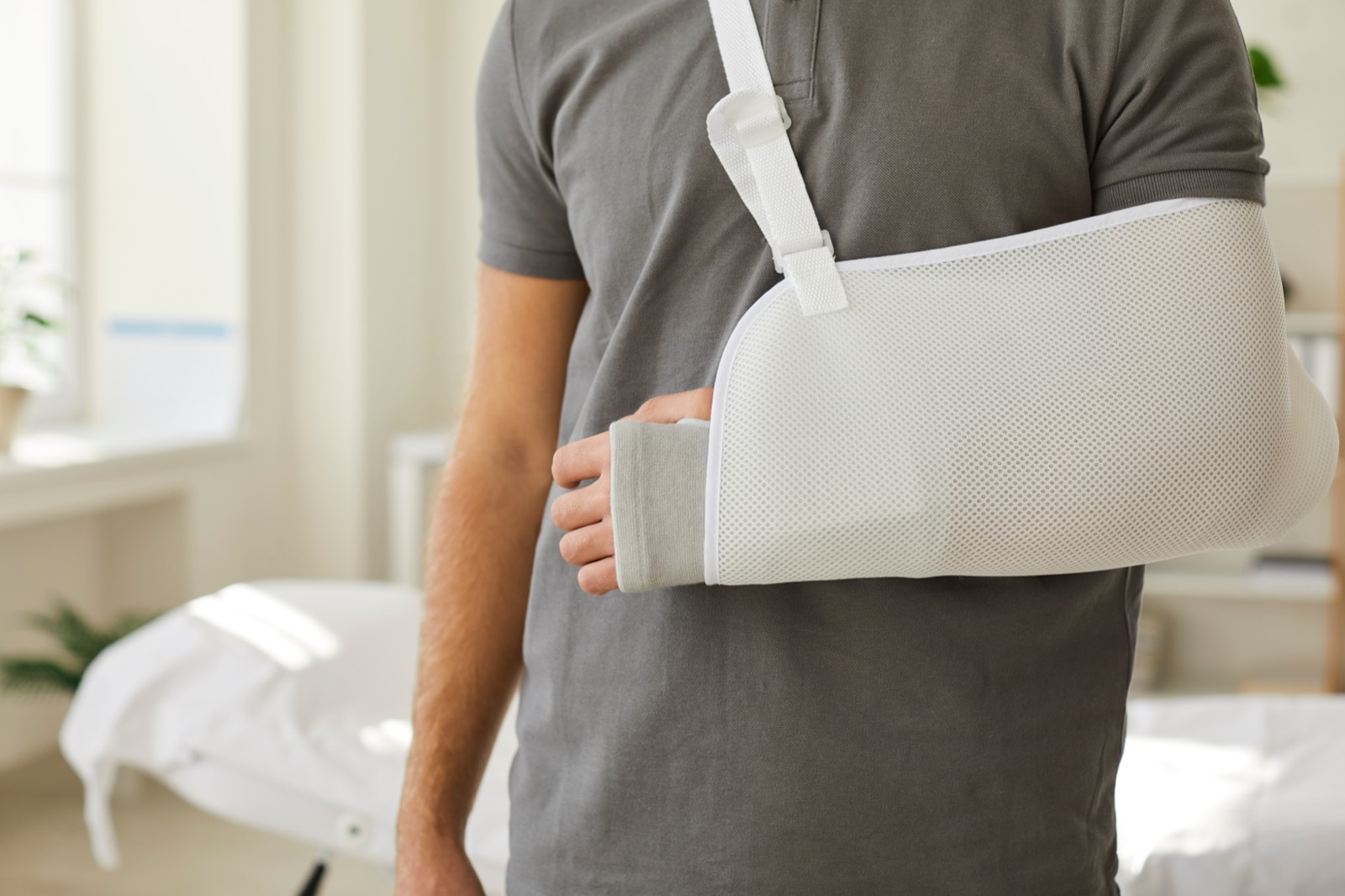
AC joint injury treatment depends directly on the grade of the injury, which is why getting an accurate diagnosis matters so much.
- Lower grade injuries (grades 1 and 2) are generally managed non-surgically, with a sling for comfort, appropriate pain management, and a structured, gradual return to movement and strength.
- Higher grade injuries (grades 4 to 6), which involve significant displacement of the joint, generally require surgical stabilisation to restore normal shoulder mechanics.
- Grade 3 injuries sit in a grey area. Treatment can reasonably go either way, non-surgical or surgical, depending on factors such as the patient's activity level, occupation, and the specialist's assessment of the individual case.
Starting the assessment process early, made possible by the shorter timeline of an online consultation, is what allows the grade to be confirmed and the right treatment path chosen sooner, rather than defaulting to a sling and hoping for the best. Following an online consultation, AVA Orthopaedics can coordinate next steps promptly, whether that's arranging imaging, an in-person follow-up, or a surgical referral where needed.
AC Joint Rehabilitation Exercises
AC joint rehabilitation exercises typically follow a staged progression, guided by a physiotherapist or specialist rather than a generic program:
- Early stage: gentle range of motion exercises to prevent stiffness, introduced once pain allows
- Mid stage: progressive strengthening of the shoulder and surrounding muscles
- Late stage: sport-specific or activity-specific strengthening in preparation for a full return to contact sport or heavy lifting
Rehabilitation timelines and specific exercises differ between non-surgical and post-surgical patients, so a program should always be tailored by a physiotherapist or orthopaedic specialist rather than followed generically.
AC Joint Injury Recovery Time
AC joint injury recovery time is closely tied to the grade of injury and the treatment path chosen. As a general guide, lower-grade sprains managed non-surgically may recover within a few weeks, while higher-grade injuries requiring surgery can take several months for full recovery and a return to sport or heavy activity.
This is why accurate early grading matters: it sets realistic expectations from the outset, rather than patients discovering weeks later that their injury was more significant than first thought. Consistent specialist follow-up, which can be done via online consultation, helps keep recovery on track and allows early identification of concerns.
Why See an Orthopaedic Specialist for a Shoulder Joint Injury

A shoulder joint injury like this is commonly lumped together under one label, "shoulder separation," despite covering such a wide range of severity and treatment paths. Specialist input is what turns a general label into an accurate diagnosis. The difference between a grade 1 sprain and a grade 5 separation is significant, and treating the two the same way can mean unnecessary surgery in one direction, or a poor outcome from under-treatment in the other.
AVA Orthopaedics offers online video consultations with rapid appointment availability, giving patients Australia-wide access to specialist orthopaedic care. Patients outside major cities aren't left waiting weeks for an in-person appointment just to find out which grade of injury they're dealing with; they can get that clarity from wherever they are.
Not Sure If You Need a Sling or Surgery?
An AC joint injury can look and feel similar in the early days regardless of its grade, which makes it hard to know from home whether you need a sling, physiotherapy, or surgery. An online assessment with an AVA Orthopaedics specialist can give you that clarity quickly, without needing to wait for an in-person appointment.
Contact AVA Orthopaedics for an online assessment by an orthopaedic specialist.
Specialist Advice. Early Direction.