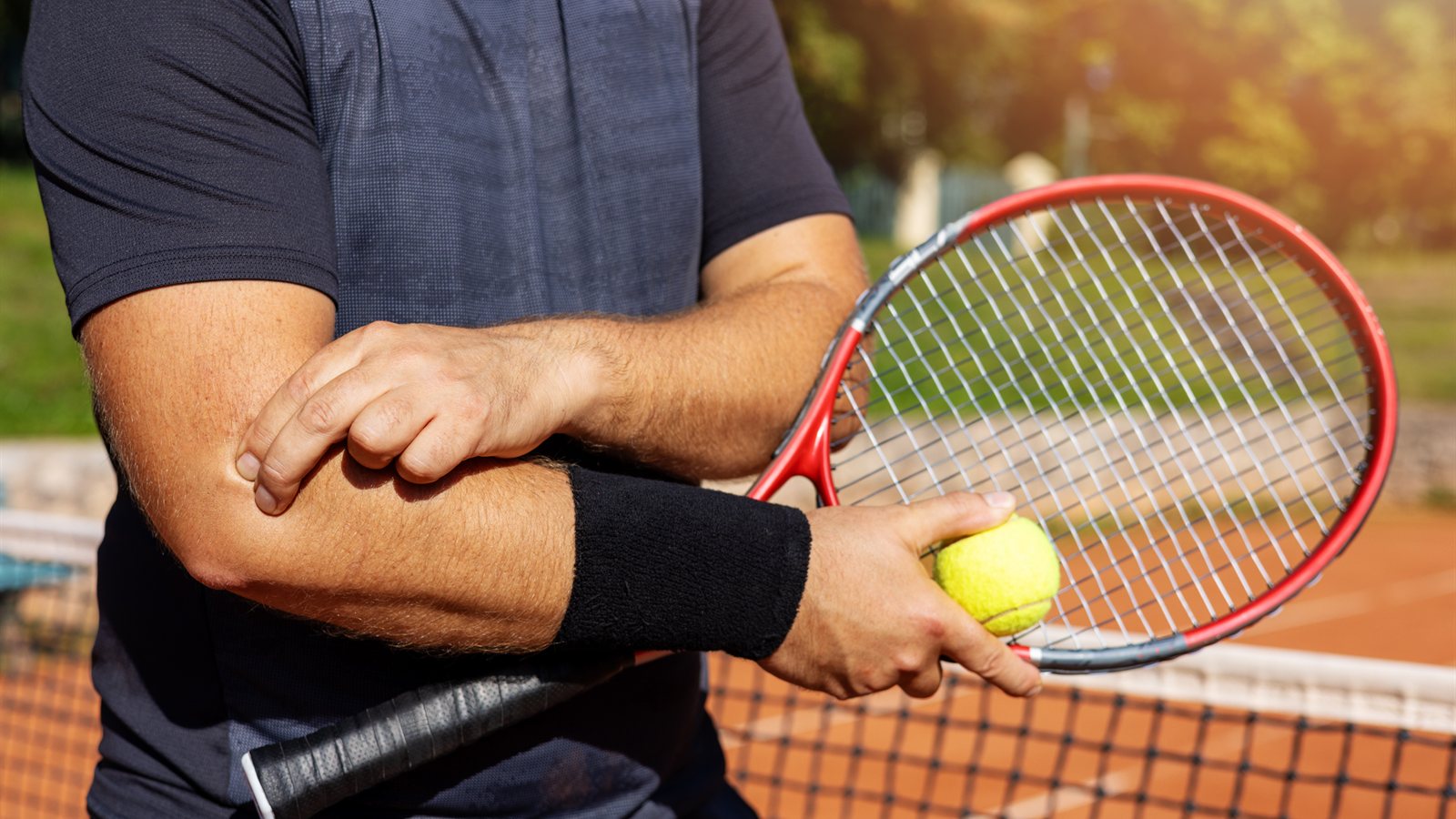

Elbow or forearm pain has a way of convincing people they have tennis elbow, whether or not they have picked up a racket in years. It is a reasonable assumption. The term is widely known, the symptoms are common, and the temptation to self-diagnose and push through is strong. But elbow pain has several possible causes, and starting treatment without an accurate diagnosis can delay recovery or make things worse.
Lateral epicondylitis, posterior interosseous nerve irritation, and radial head fractures can all produce similar pain in and around the elbow. A structured assessment from a tennis elbow specialist is the most reliable way to confirm what is actually going on before committing to a treatment plan. AVA Orthopaedics offers online orthopaedic consultations across Australia, with appointments frequently available the same or next day, so you can get that clarity quickly, wherever you are located.
What Is Tennis Elbow?
Tennis elbow, known clinically as lateral epicondylitis, refers to inflammation or degeneration of the tendons that attach to the lateral epicondyle, the bony prominence on the outer side of the elbow. These tendons connect the muscles responsible for extending and stabilising the wrist, and repeated strain through gripping, lifting, or twisting movements is the most common cause.
Despite the name, the majority of people who develop tennis elbow have never played tennis. Tradespeople, office workers, chefs, mechanics, and gym-goers are all regularly affected. Any activity that involves repetitive or sustained forearm effort can overload these tendons over time.
It is also worth distinguishing tennis elbow from golfer's elbow, or medial epicondylitis, which produces pain on the inner side of the elbow. They share a similar mechanism but involve different tendon attachments, and their treatment approaches are not identical. Getting the diagnosis right from the outset matters.
Symptoms of Tennis Elbow: Could It Be Something Else?

Tennis elbow typically produces a gradual onset of pain on the outer side of the elbow, often extending into the forearm. Grip strength tends to weaken, and everyday tasks such as opening jars, lifting a kettle, or turning a door handle can become unexpectedly painful. Symptoms are usually worse with repetitive use and ease somewhat with rest, though persistent cases may cause discomfort even at rest.
These symptoms, however, are not exclusive to tennis elbow, and certain presentations should prompt a more urgent assessment.
If elbow pain begins suddenly following a fall onto an outstretched arm, a direct impact to the elbow, or a collision, the cause may not be tendinopathy at all. A radial head fracture, which occurs when the head of the radius bone is damaged in a fall, produces lateral elbow pain that is often mistaken for a soft tissue injury. Visible swelling or bruising around the elbow, an inability to fully bend or straighten the arm, and pain that is acute and well-localised rather than diffuse are all signs that imaging is needed before any treatment is started.
Many people turn to an "elbow specialist near me" search once their symptoms have not improved with rest or initial physiotherapy. That instinct is sound. However, self-diagnosis can be misleading, particularly when multiple structures are involved or when a fracture is missed.
Getting an Accurate Elbow Injury Diagnosis
An orthopaedic assessment for elbow pain begins with a detailed clinical history: when symptoms started, what activities provoked them, whether there was any specific incident, and what has already been tried. This history alone often narrows the differential significantly.
From there, a specialist will evaluate range of motion and functional capacity through our Telehealth model. When a structural injury is suspected, such as a radial head fracture or a significant tendon tear, imaging, including X-ray or diagnostic ultrasound, is typically requested to confirm the diagnosis.
AVA Orthopaedics conducts all consultations by secure video link. A specialist will take a thorough clinical history, review any existing imaging, and guide you through relevant movement and functional assessments during the consultation. Referrals for imaging or local physical examination can be coordinated where required. Appointments are frequently available the same or next day, with no need to travel regardless of where in Australia you are located.
Elbow Injury Treatment Options

Treatment for tennis elbow is staged according to severity and how long symptoms have been present.
For most people presenting early, conservative management is appropriate and effective. This involves relative rest from the aggravating activity, modification of activities to reduce repetitive forearm loading, and short-term use of ice and anti-inflammatory medication to manage acute symptoms. A structured physiotherapy programme targeting the wrist extensors, combining specific stretching with progressive eccentric loading exercises, forms the basis of most rehabilitation plans. A counterforce brace or taping can also help reduce load on the tendon during daily tasks while recovery progresses.
For cases that persist beyond several weeks of consistent conservative management, next-step options include corticosteroid injections to reduce localised inflammation, or shockwave therapy, which applies targeted acoustic energy to stimulate tendon healing. Surgical intervention for tennis elbow is uncommon and is generally only considered after exhausting non-operative options over an extended period.
Radial head fracture treatment follows an entirely different pathway. Stable, non-displaced fractures are typically managed conservatively with a sling and a period of immobilisation, followed by early guided mobilisation to prevent stiffness. More complex fractures involving displacement or joint surface involvement may require surgical fixation or, in severe cases, radial head replacement.
The reason this distinction matters is straightforward. Treating a fracture as soft tissue pain, or managing tendinopathy with protocols designed for a fracture, will not produce the right outcome for either condition. Seeing a specialist early means treatment is targeted from the start. AVA Orthopaedics can develop a tailored elbow injury treatment plan through an online consultation, with referrals to local providers coordinated as needed.
Recovery Timeline for Tennis Elbow and Elbow Injuries

Recovery timelines for elbow injuries vary considerably depending on the diagnosis, how long symptoms have been present, and how consistently a rehabilitation plan is followed.
Mild to moderate tennis elbow, when identified early and managed with appropriate rest and physiotherapy, can improve meaningfully within a few weeks. More persistent cases, particularly those with significant tendon degeneration or a history of repeated flare-ups, may take three to six months to resolve fully. Returning to provoking activities too quickly is a common reason for setbacks.
A stable radial head fracture typically requires six to eight weeks for initial bony healing, though full restoration of strength and range of motion often takes longer. Fractures requiring surgical fixation or replacement will have a more extended recovery timeline, with rehabilitation guided by the treating surgeon.
AVA Orthopaedics supports recovery through follow-up online consultations, allowing a specialist to track progress, review imaging, and adjust the management plan without requiring repeated travel to a clinic.
Why See a Specialist for Elbow Pain?
Elbow pain that is self-managed without an accurate diagnosis carries real risk. Continuing to load an injured tendon through unhelpful activities prolongs inflammation and increases the chance of a chronic presentation. Treating an undiagnosed fracture as soft tissue pain can result in improper healing, persistent instability, or the need for surgery that might have been avoided with earlier intervention.
For anyone uncertain whether what they are experiencing is really tennis elbow, or who has not improved as expected with initial management, specialist input provides clarity and direction. AVA Orthopaedics makes that assessment straightforward and accessible, with orthopaedic specialists available by secure video link across Australia, and appointments frequently available the same or next day.
Book an Online Elbow Injury Assessment
Elbow pain deserves a clear diagnosis, not a best guess.
Book an online elbow injury assessment with AVA Orthopaedics today and get specialist clarity from anywhere in Australia.