Sporting Injuries
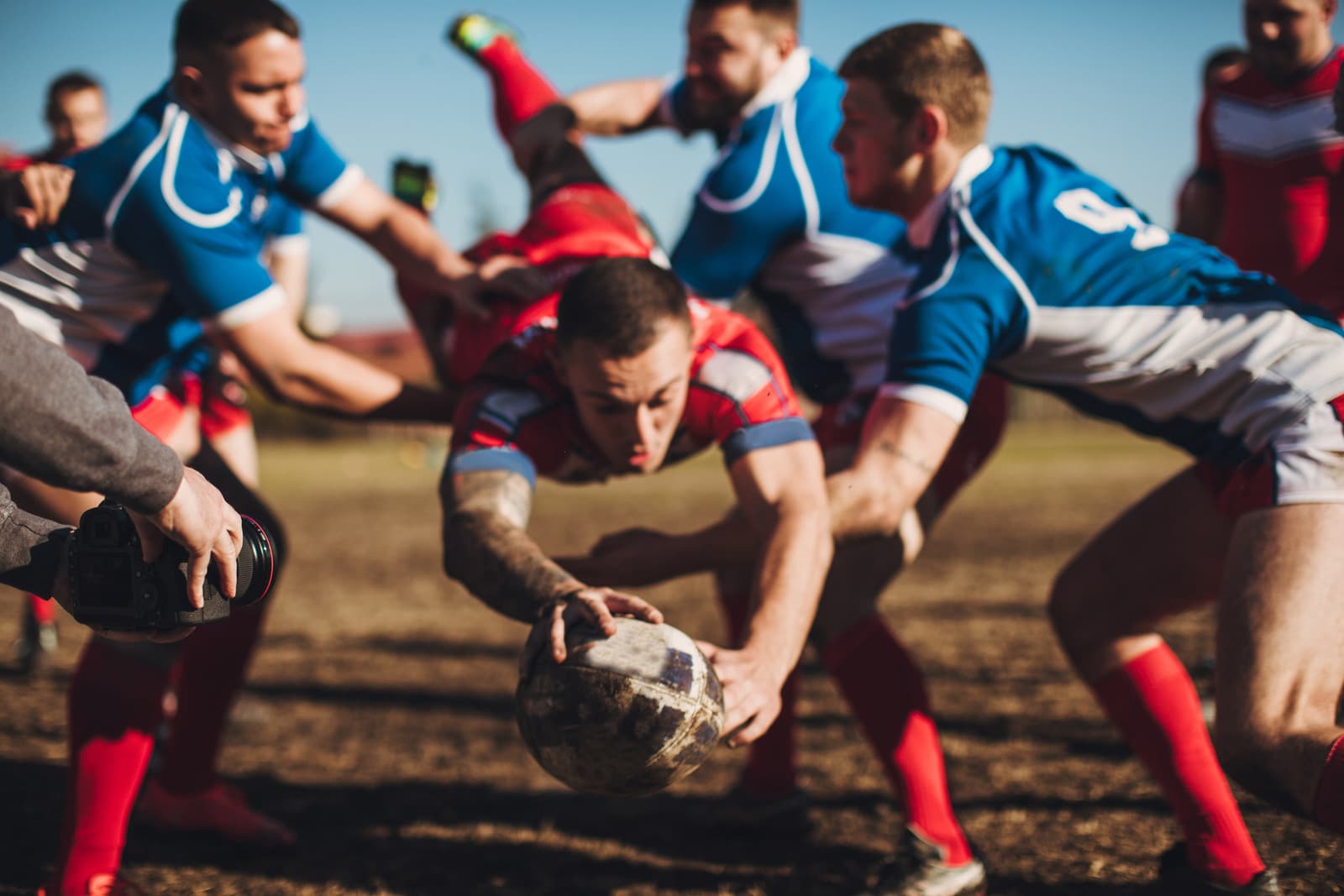
Sport and physical activity are essential for a healthy lifestyle, but they also place significant demands on the body. Sporting injuries can affect anyone, from elite athletes to weekend warriors and those simply enjoying recreational activity. They can involve any part of the body and range from acute injuries such as fractures, dislocations and ligament tears, to overuse conditions that develop gradually over time through repetitive strain.
AVA Orthopaedics specialises in the assessment and treatment of sporting injuries, understanding that prompt and accurate diagnosis is key to getting you back to the activities you love as quickly and safely as possible. Our online video consultations are particularly well-suited to assessing, diagnosing, and managing sporting injuries, allowing you to access orthopaedic care from the comfort of your own home. Whether your injury can be managed conservatively or requires surgical intervention, our team will guide you through every step of your recovery.
All conditions below are suitable for specialist online assessment at AVA Orthopaedics via secure video. No referral required for the Early Injury Assessment ($139). Excludes open wounds, severe deformity, active bleeding, and head/neck/back/chest/abdominal injuries. These require the Emergency Department first.
Conditions We Assess Online
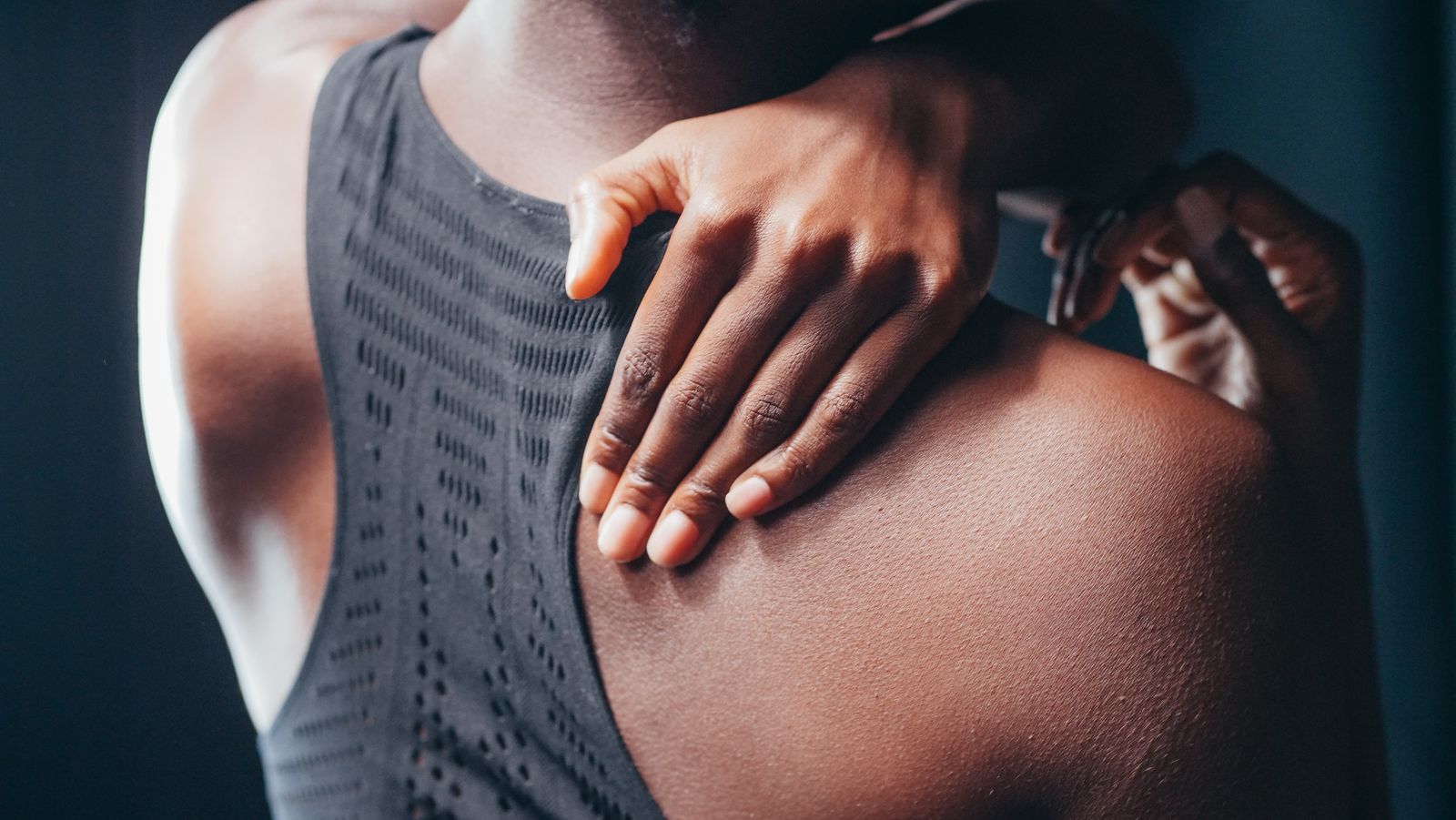
Rotator cuff tear
Partial or full-thickness tear of the rotator cuff tendons. Specialist review of MRI or ultrasound with guidance on conservative vs surgical pathway.
Read the full guideAC joint injury (acromioclavicular joint sprain)
Common in contact sports and falls. Grading, management planning, and return-to-sport guidance.
Labral tear (SLAP lesion)
Glenoid labrum injury common in overhead athletes. Specialist imaging review and management direction.
Biceps tendon injury (proximal)
Long head biceps tendon tears or tendinopathy. Imaging review and management planning, including surgical threshold discussion.
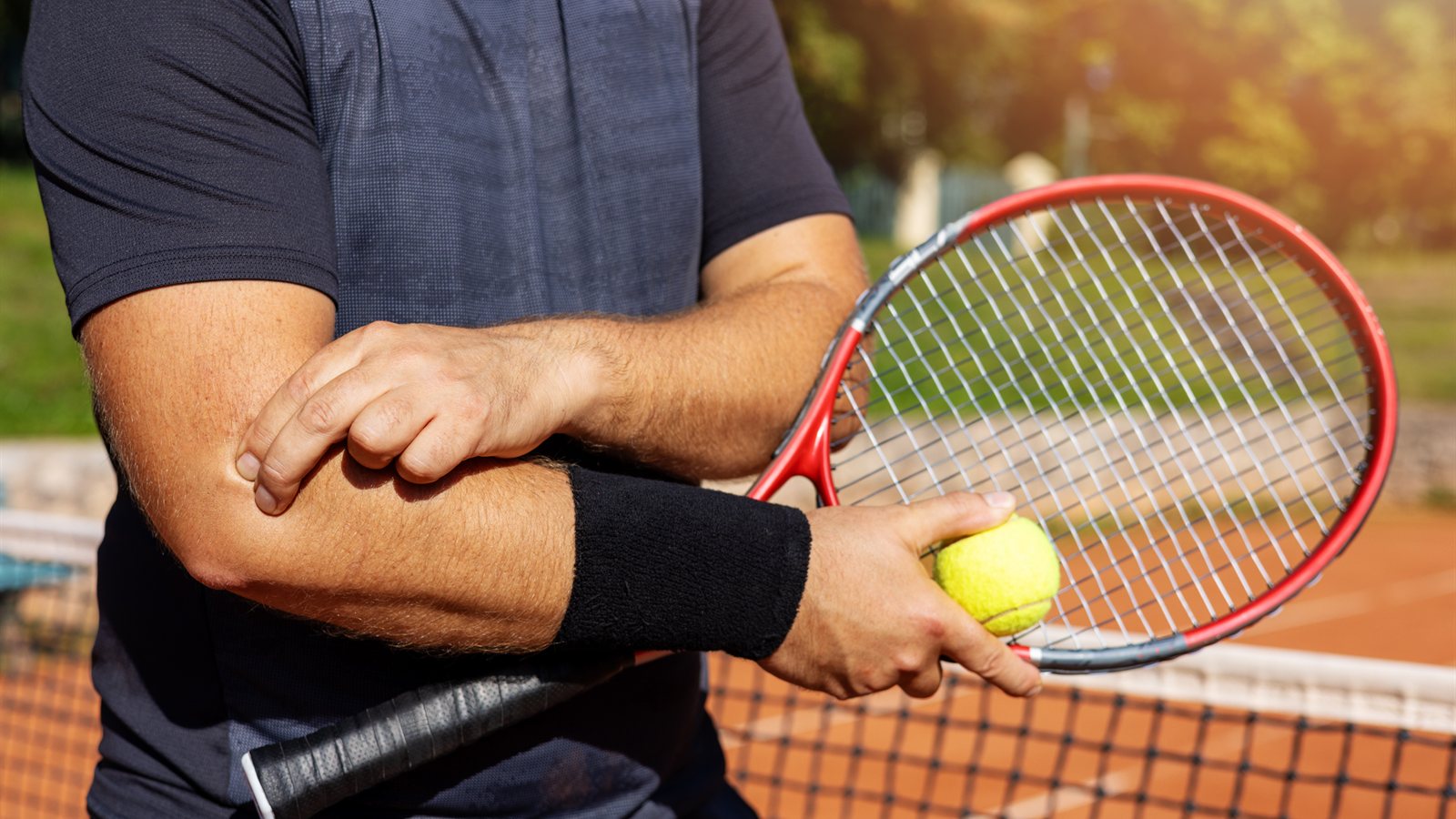
Ulnar (Medial) collateral ligament (UCL) injury
Common in throwing athletes. Specialist review of MRI findings with conservative vs surgical pathway guidance.
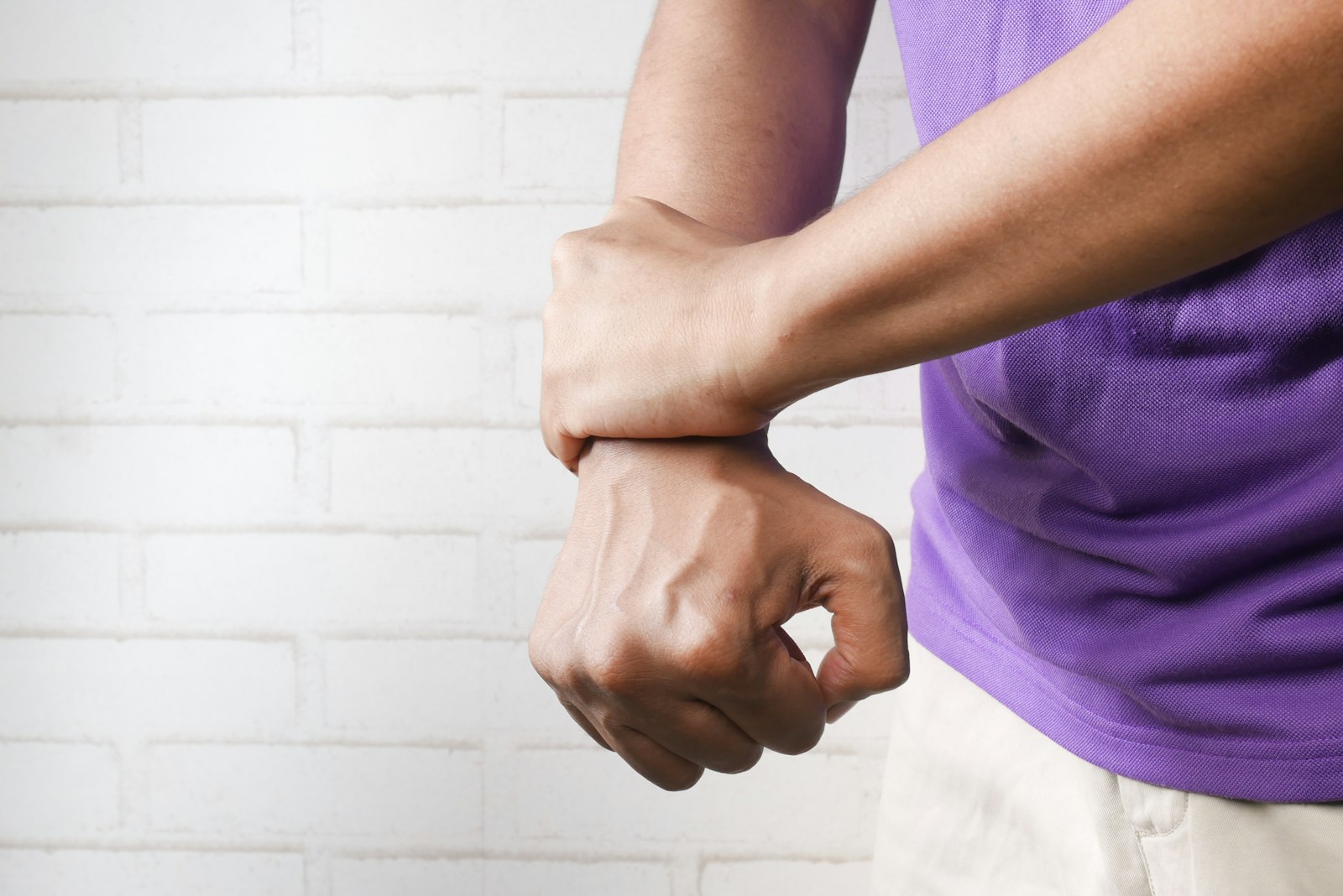
Wrist sprain
Ligamentous wrist injury, including TFCC and scapholunate ligament sprains. Specialist assessment, imaging direction, and structured management plan to prevent chronic instability.
Thumb UCL injury (skier's / gamekeeper's thumb)
Ulnar collateral ligament tears are common in ball and contact sports. Specialist assessment and surgical threshold guidance.
Finger ligament sprains and dislocations (post-reduction)
Including PIP and MCP joint injuries. Imaging review, buddy-taping, and return-to-play direction.
Mallet finger
Extensor tendon avulsion at the fingertip. Splinting direction and recovery timeline guidance.
ACL tear
Anterior cruciate ligament rupture, partial or complete. MRI review, surgical vs non-surgical pathway discussion, and structured return-to-sport planning.
Read the full guideMeniscus tear
Medial or lateral meniscal injury from acute trauma or degenerative change. MRI interpretation, activity modification guidance, and clear direction on conservative vs surgical management.
Read the full guideHamstring tear
Proximal, mid-belly, or distal hamstring strain or rupture. Grading via MRI or ultrasound, return-to-sport timeline, and guidance on surgical threshold for proximal avulsion injuries.
Stress fracture lower limb
Tibial, fibular, femoral, metatarsal, navicular stress fractures in active individuals. Imaging review (MRI or CT where X-ray is insufficient), activity restriction, and structured return-to-load plan.
MCL injury (medial collateral ligament sprain)
Grading of injury severity, management plan, and return-to-sport timeline guidance.
PCL injury (posterior cruciate ligament)
Assessment and imaging review, with direction on conservative vs surgical management.
Hip labral tear
Acetabular labral injury causing groin or hip pain. Specialist imaging review and management direction.
Hip flexor/adductor strain (groin injury)
Common in kicking and field sports. Assessment, grading, and structured rehabilitation plan.
Quadriceps strain or tear
Muscle belly or tendon injury. Imaging where indicated, and guided return-to-activity plan.
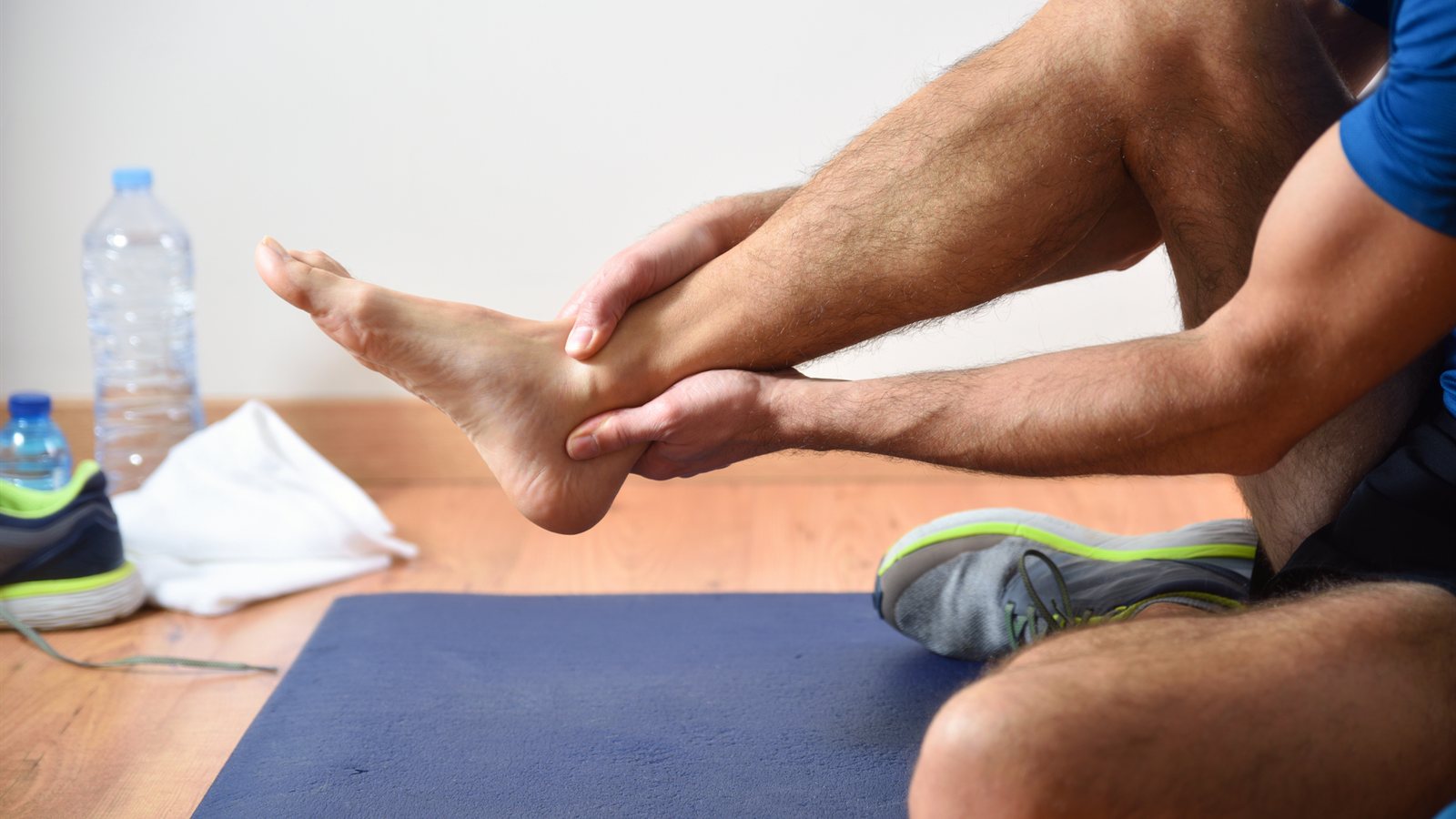
Ankle ligament tear - Grade I (mild sprain)
Microscopic ligament fibre disruption with minimal swelling and no instability. Specialist confirmation of grade, activity modification, and structured return-to-sport plan.
Read the full guideAnkle ligament tear - Grade II (partial tear)
Partial ligament disruption with moderate swelling, bruising, and some instability. Specialist assessment, imaging to exclude fracture, bracing guidance, and physiotherapy referral with clear return-to-sport milestones.
Read the full guideAnkle ligament tear - Grade III (complete rupture)
Complete ligament rupture with significant swelling, bruising, and functional instability. Specialist review of MRI findings, direction on surgical vs conservative management, and structured rehabilitation pathway.
Read the full guideStress fracture - foot
Metatarsal, navicular, or calcaneal stress fractures in active individuals. Imaging review (MRI or CT where X-ray is insufficient), weight-bearing guidance, and structured return-to-load plan.
Achilles tendon rupture (suspected or confirmed)
Specialist assessment of partial vs complete rupture and clear direction on surgical vs conservative management pathway.
Read the full guidePeroneal tendon injury
Lateral ankle and peroneal tendon tear or tendinopathy. Imaging and management plan.
Get specialist direction on your injury
Book an online consultation and leave with a clear diagnosis, a structured plan, and your next step - without the wait.
Not suitable for online assessment: attend the Emergency Department first
- Open wounds or visible bone deformity
- Uncontrolled or heavy bleeding
- Severe deformity or inability to move a limb with no prior assessment
- High-impact trauma not yet seen in person
- Head, neck, back, chest, or abdominal injuries
- Loss of sensation or circulation in a limb
In an emergency, call 000 or attend your nearest Emergency Department.